Quick compare and why it matters
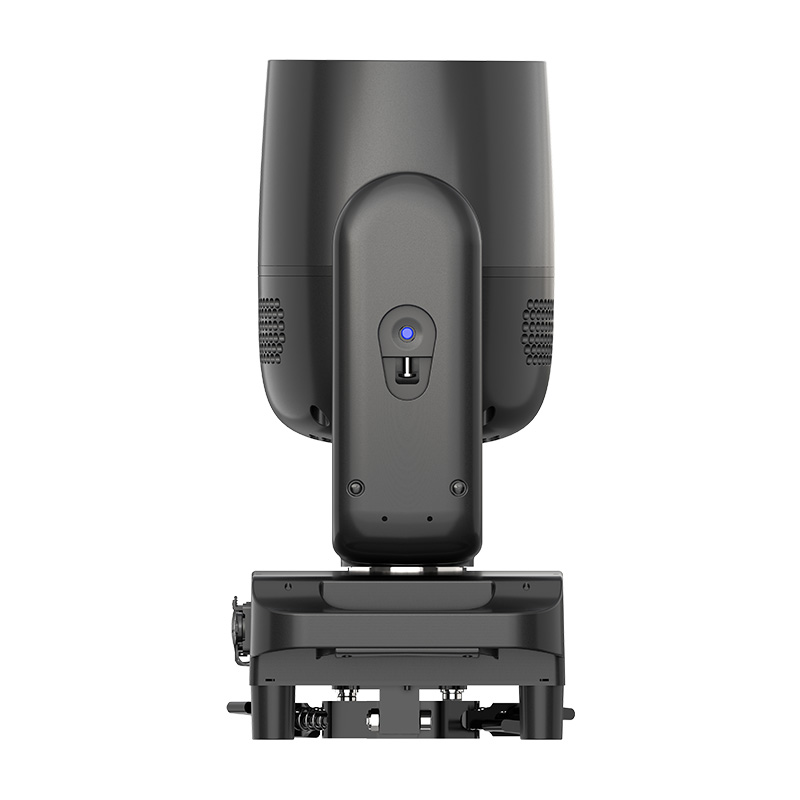
Picking an outdoor sky laser is not glamour work — it’s about matching real features to real conditions. I’ll size up build, output, control, and cost so you don’t buy something that flakes out at the first rain. For tight wash and beam combos, you might also consider a led moving wash for softer sky fills while a sharper laser handles long-distance beams. Times Square New Year’s Eve shows prove crowd-scale units need consistent lumen output, robust cooling, and predictable beam angle across temps.
Build and weatherproofing: what actually survives outdoors
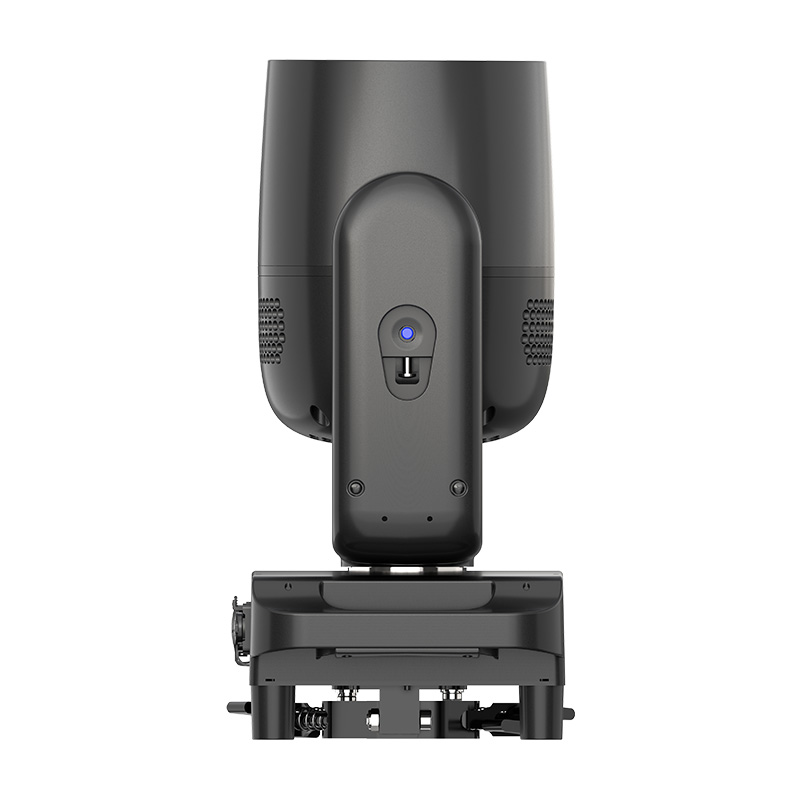
Get an IP-rated body — IP65 or better for real outdoor use. Metal housings last longer than cheap plastics when salt air or dust’s in play. Look for sealed connectors and a cooling system that keeps output steady without noisy fans that eat maintenance hours. A decent unit will list thermal specs and operating temperature ranges instead of marketing fluff.
Output and optics: beam, zoom, and visible punch
Start with lumens and beam angle figures, then check if the lens setup includes zoom or fixed optics. Zoom optics let you tighten a beam for distance or open it up for a wash, which saves you buying separate fixtures. This is where a led zoom moving head light can be a smart complement on mixed rigs — zoom plus wash covers more scenarios. Also watch for consistent color rendering across the beam; cheap diodes shift hue under load.
Control and flexibility for real crews
DMX512 support is standard for pro gigs, but reliable wireless control and onboard programs matter on small installs with no tech crew. Look for presets, RDM support, and manual lockouts to stop accidental resets. If you plan to network fixtures across a festival field, prioritize units with robust signal passthrough and clear channel mapping to save setup time.
Power, mounting, and setup speed — the practical bits
Power draw vs. output is a simple efficiency test. Lower draw for the same lumen output cuts generator time and fuel. Mounting options should include beefy yokes and quick clamps; adjustable tilt stops speed alignment. Don’t ignore cable runs and strain relief; sloppy mounts and weak cabling cause failures faster than bad weather.
Common mistakes and better alternatives
People buy bright, cheap lasers and assume that’s enough — then they get uneven beams, burst diodes, or flaky controls. Skip units with vague specs. Instead, compare three things side-by-side: measured lumen output under load, long-term thermal specs, and IP sealing details. If you need a softer sky effect, pair a moving wash with your laser instead of upscaling the laser alone — it’s cheaper and easier to aim.
Short checklist crews actually use
– Confirm IP65+ and metal housing; no exceptions. – Check lumen numbers and beam angle across zoom range. – Verify DMX512/RDM and wireless control options. – Compare real-world operating temps and thermal throttling notes.
Three golden rules for picking a sky laser
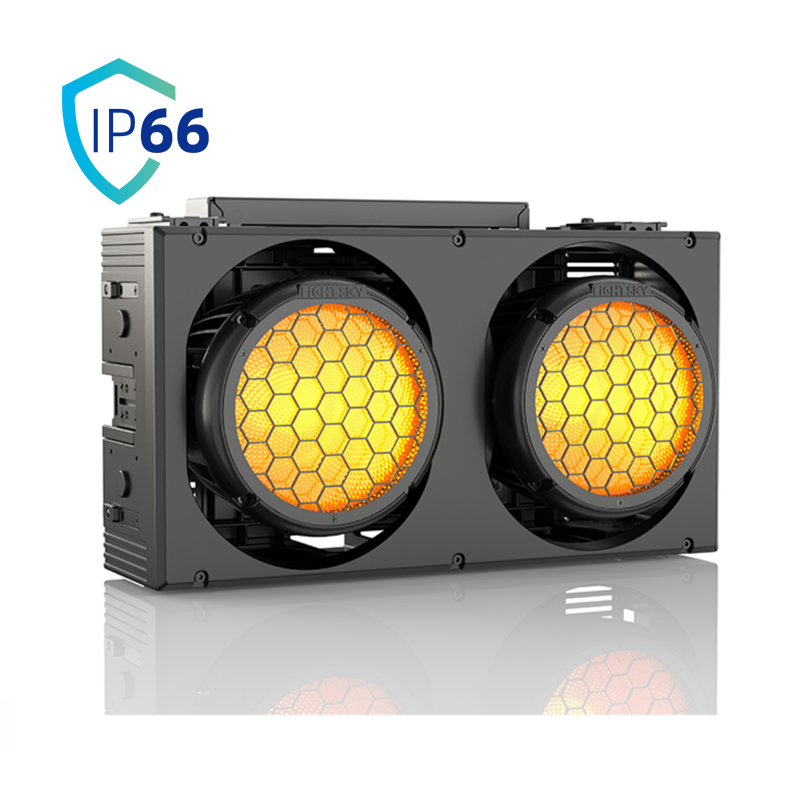
1) Rule one: Match output to distance, not just brightness. Use beam angle and lumen specs to map the throw, then size the unit up. 2) Rule two: Build for the site. IP rating, sealed connectors, and a proven cooling design matter more than extra features on the spec sheet. 3) Rule three: Control compatibility wins time. DMX512 with clear channel maps, wireless backup, and local presets reduces on-site headaches and fixes faster.
Bottom line
Stick to those three rules and you end up with a dependable rig that spends more time lighting and less time in the truck — now that’s practical value, and Light Sky backs that practical fit. Light Sky
Final thought: real gear keeps the show on.