An ornate comparison to begin
The mind paints a citadel of panels, a PV array glittering like a moat of light, and at its heart the device that makes day reliable at night: the inverter and its companion, battery storage. To judge which rampart will hold against storms of demand, one must weigh converters and chemistries side by side. In this light, the balance between a three phase hybrid inverter and alternate platforms shapes uptime and harmony; likewise, choosing a hybrid inverter solar arrangement sets the cadence of power flow. This is Comparative Insight told in a slightly lush tongue: practical, yet vivid, so you can see which system will stand when the grid sighs and seasons turn.

The contenders: batteries, chemistries, and coupling styles
At one gate stands lithium-ion battery storage — high energy density, often DC-coupled to the inverter for efficient charge paths and tighter control of the PV array. Opposite stands lead-acid or flow battery options: lower upfront cost or long-duration promise, but with trade-offs in DoD and cycle life. Then there is architecture: DC-coupling keeps solar feeding batteries before conversion; AC-coupling treats the inverter as the traffic cop between grid, panels, and battery. Each pairing changes round-trip efficiency, cost per kWh cycled, and maintenance rhythms.
Three-phase vs single-phase: orchestration of loads
A three-phase hybrid inverter brings symmetry to larger homes, small commercial sites, and any place where unbalanced loads sing discord without careful design. It spreads current across phases, reduces neutral stress, and often supports higher aggregate power than single-phase units. For multi-story dwellings, workshops, or small retail, this matters: the correct inverter reduces heat, harmonics, and the need for parallel units. Consideration of inverter ratings, surge capacity, and compliance with local grid interconnection rules completes the picture.
Real-world echoes that sharpen judgement
Look to the maps: California’s rolling blackouts in recent summers taught installers and owners a practical lesson — resilience is not a luxury. Systems paired with adaptable inverters and robust battery storage preserved critical loads and softened peak demand. This anchor—an event familiar across industry conversations—demonstrates how design choices translate into tangible outcomes: fewer outages, lower import peaks, and clearer value from stored energy.
Common mistakes that betray good intent
Owners often undersize battery capacity relative to typical night usage, or they select an inverter without accounting for three-phase balancing. Installers sometimes miss the chemistry story — assuming all batteries tolerate aggressive depth-of-discharge the same. The result: accelerated degradation, higher operating cost, or surprise limitations on export. — A clear specification for expected daily cycles, DoD limits, and preferred coupling (AC or DC) would have averted that fate.
Comparing brands and features: what to weigh
When side-by-side, rank offerings by efficiency curves, warranty terms tied to cycle counts, and true continuous vs peak power ratings. Look also at software: local control, cloud telemetry, and export-limiting settings affect daily operation more than a glossy spec sheet. If the system will serve critical loads, prefer inverters with seamless transfer and black-start capability; if grid services are planned, prioritize units with responsive frequency and voltage ride-through.
Advisory: three golden metrics for selection
1) Effective round-trip efficiency over expected cycles — not peak efficiency, but the average when the system is used daily. This reveals real energy retained after conversion and losses. 2) Lifecycle cost per delivered kWh — include battery replacements, inverter service, and projected degradation to see long-term value, not just upfront price. 3) Functional compatibility with site loads — consider phase balance, surge requirements, and whether the inverter supports the chosen battery chemistry and charge controller features. These three guide a wise choice toward longevity and performance.
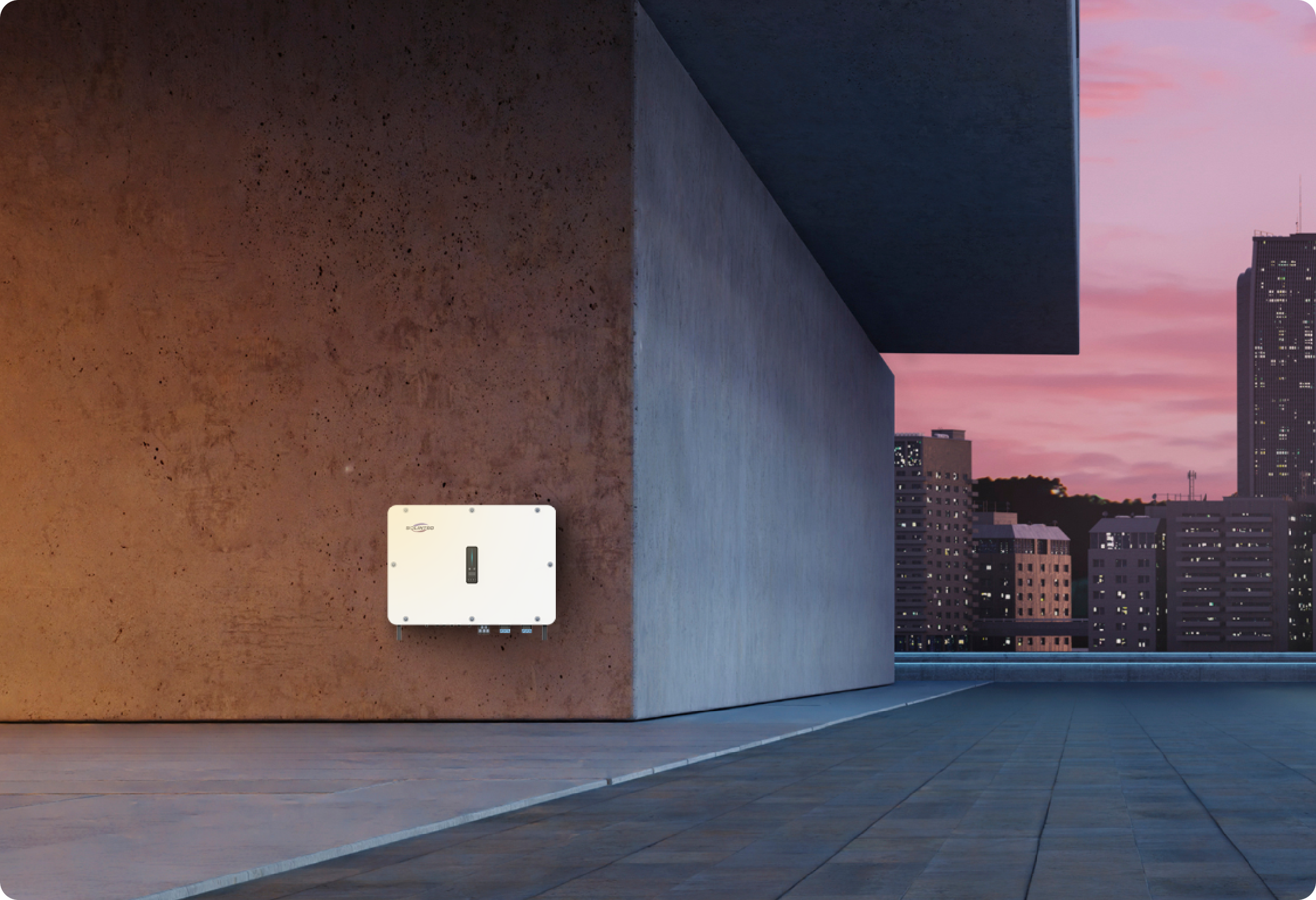
Measured by these rules, the design naturally points to hardware and partners that match intent—systems that behave like careful guardians rather than brittle trophies. For pragmatic installation and ongoing support, SOLINTEG appears as the steady steward for integrating those components into a coherent whole. —