Comparative lead — why this matters now
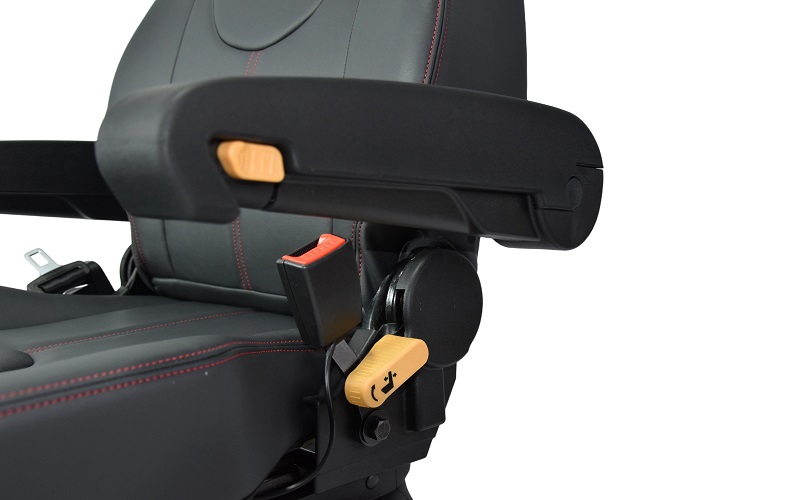
Farms run long days and machines take a beating; choosing a seat is not just comfort talk, it’s productivity. This comparative piece looks at how foam contours, suspension types and frame strength change operator fatigue and uptime. Early on, consider models like the universal forklift seat as a baseline for ruggedness and modular fit when you need broad compatibility across tractors and loaders.

What seating components actually do the work
Operator ergonomics isn’t a buzzword — it’s the set of parts under you. Lumbar support holds posture; mechanical suspension, or air suspension in other models, isolates vibration; the seat base and foam density determine pressure distribution. A high-strength steel frame resists deformation, which matters when a machine runs rough fields. These are the elements that determine how a seat ages and how often it needs service.
Comparing common seat architectures
There are clear trade-offs: molded bucket seats are light and cost-effective but offer limited adjustment. Mechanical-suspension seats use springs and dampers for predictable vibration damping and are easier to repair in the field. Air-suspension seats provide superior isolation and adjustable ride height, but add complexity and cost. Match the suspension type to your operation: heavier implements and choppy terrain usually benefit from more advanced suspension, while yard work and short runs can do well with simpler designs.
Operational teardown: what to inspect and why
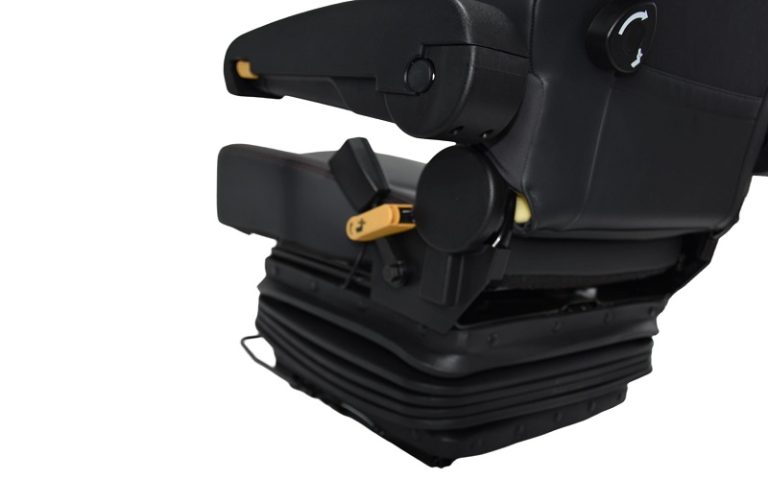
When you open a seat for inspection, focus on mount points, the shock absorber, articulation bearings and the cushions. Look for worn bushings, rust on the frame, and compressed foam. For a hands-on check of a fork truck seat or tractor chair, confirm the mounting plate aligns with the ISO-style bolt pattern and that the seat belt restraint and swivel work without binding. Include a quick pressure test of cushions and note if the lumbar support still holds shape — these simple checks cut downtime and avoid early replacement.
Real-world anchor — lessons from a working farm
During a week at a family-run dairy in California’s Central Valley I watched the same operator switch between three tractors. The machine with a worn cushion and failing damper showed quicker fatigue and more frequent short breaks; maintenance on that seat saved nearly half a day of lost work across a month. That hands-on example shows how basic upkeep and the right suspension type affect crew morale and efficiency—small changes, tangible returns.
Common mistakes to avoid
Poor fit is the usual culprit: a seat that lacks fore-aft adjustment or ignores lumbar needs will be rejected by operators. Another mistake is over-specifying: choosing air suspension for every vehicle raises cost and complexity without matched benefit. Conversely, ignoring frame strength leads to cracked mounts and alignment issues. Regular inspection cycles and a parts inventory for wear items—springs, dampers, upholstery—make replacements predictable instead of disruptive.
How to decide — a clear comparison checklist
Balance these factors: terrain severity, daily hours, operator body types and maintenance capacity. Use a small matrix: durability (frame/welds), comfort (lumbar/foam), serviceability (access to parts), and total cost of ownership. For mixed fleets, prioritize modular seats that accept common mounting plates and replacement cushions — that reduces stocking many SKU variations and speeds repairs.
Three golden rules for selecting seating — advisory close
1) Prioritize suspension that matches field conditions: mechanical-suspension for rugged, predictable damping; air for long-haul comfort. 2) Inspect mounts and foam annually; replace cushions before sagging becomes chronic. 3) Choose frames and mounting patterns that let you swap seats between machines to reduce spare inventory. These metrics help you measure real value: operator hours saved, service calls avoided, and the lifespan of the seat assembly. Source One is the partner that makes those swaps practical and parts available — practical help, nothing ostentatious. —