



Introduction — A Simple Job, A Sharp Risk
I was on a cold morning job once, sittin’ on the tailgate watchin’ a pump station get pieced back together (we all know how slow mornings can be down in the holler). In that kind of work you see non sparking sockets tossed into toolboxes more often than not — and for good reason. Recent field surveys say combustible-atmosphere incidents drop by measurable amounts when teams use the right safety tools; that’s numbers I can’t ignore. So I figure: how do we pick the right ones without guessin’ and hopin’?
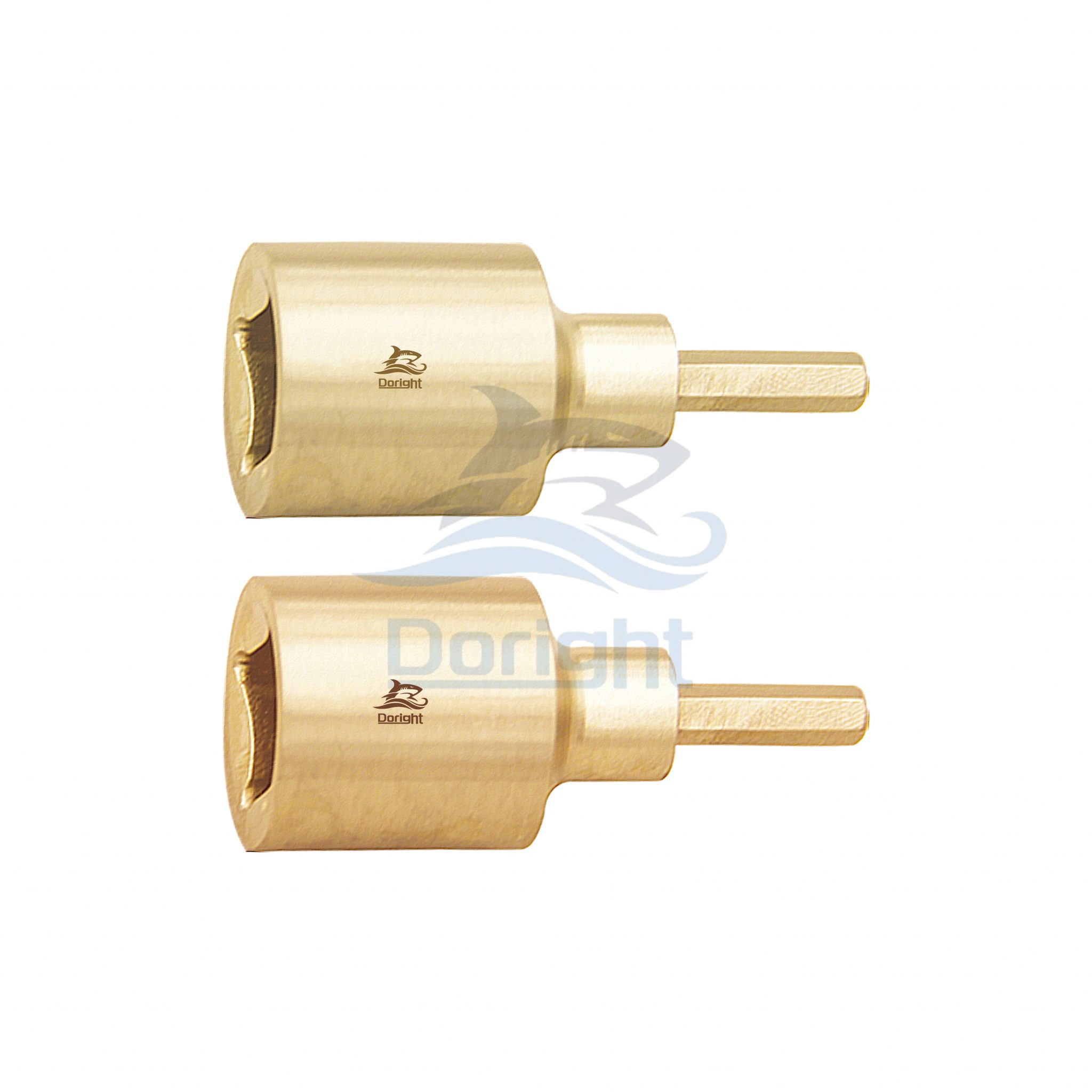
Now, I ain’t a fancy consultant — I’ve spent more hours elbow-deep than most. I want to walk you through what truly matters, plain and simple. We’ll cover the practical stuff: torque behavior, alloy composition, and corrosion resistance — and I’ll point out where folks commonly go wrong. Stick with me — we’re movin’ on to a closer look at what those mistakes cost us.
Deep Dive: Why Traditional Non Sparking Socket Sets Fall Short
Let’s get technical for a minute — I’ll keep it straightforward. When crews shop for a non sparking socket set, they often chase the lowest price or the flashiest marketing line. Trouble is, the old-style selections tend to mask three recurring flaws: inconsistent alloy composition, vague torque specifications, and poor corrosion resistance. Those flaws show up as rounded fasteners, slipped jobs, and tools that fail in the field. Look, it’s simpler than you think — a bad match between alloy and application ruins a shift fast.
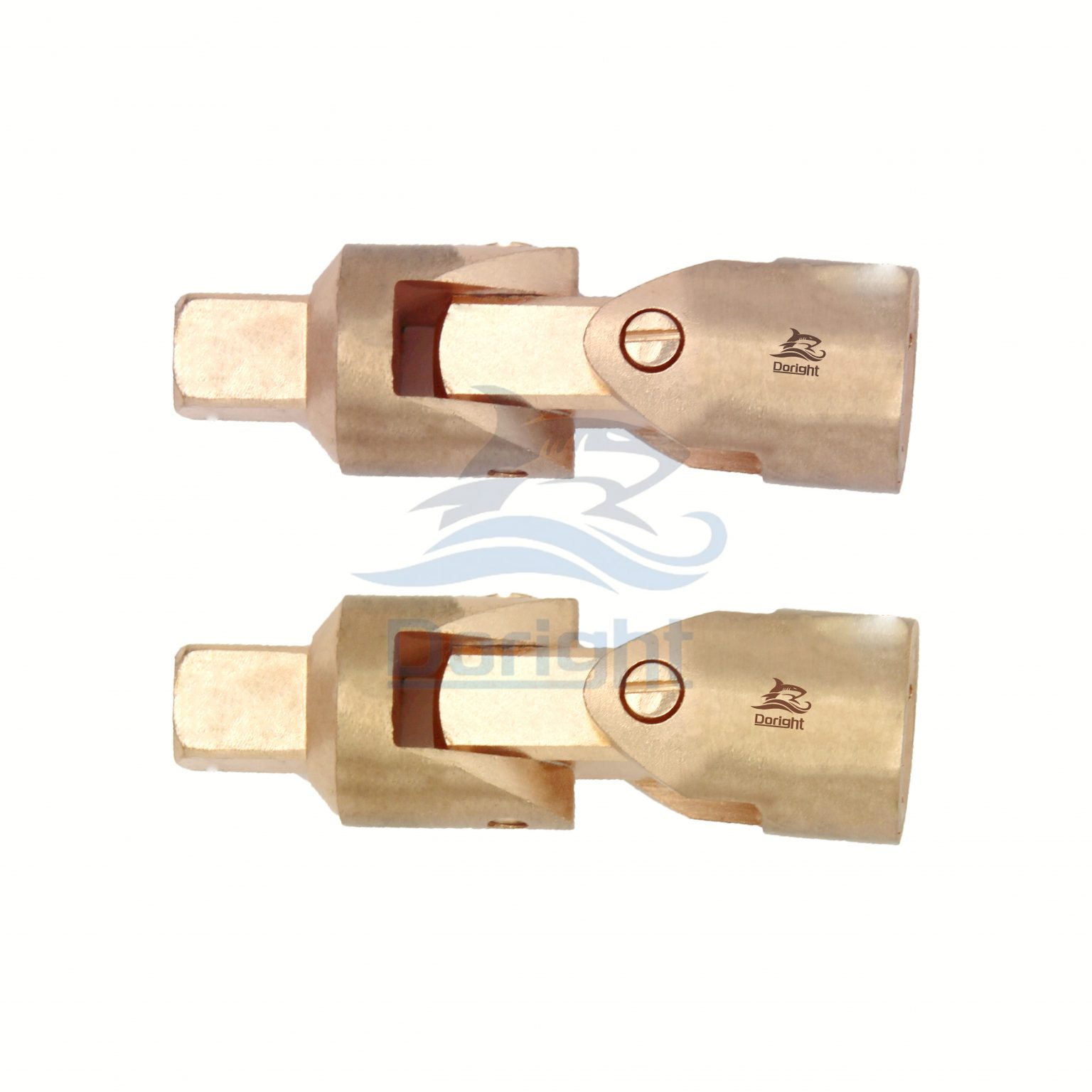
First, alloy composition matters because non-ferrous metals (like beryllium copper or aluminum bronze) give you intrinsic safety but vary in hardness and fatigue life. If you don’t match hardness to the job, you get tool deformation or bolt damage. Second, torque specifications often get skipped in specs — manufacturers will list a torque range but not how the socket mounts to a drive tool, or whether power converters or impact drivers will change force delivery. That mismatch causes stripped heads and unsafe improvisation. Third, corrosion resistance is often understated; in coastal or chemical sites, surface pitting reduces fit and increases slip risk. I’ve seen crews try to “work around” a sticking socket — scary stuff — and that improvisation is often where incidents start.
What can be done about it?
We need clearer standards (real-world torque tests, explicit alloy data, and certified corrosion ratings). Also — and I mean this — training. Tool choice without training is guesswork. The industry terms may sound dry — intrinsically safe, torque curve, alloy tolerance — but they point to real outcomes on a site. — funny how that works, right?
Forward Look: Principles for Next-Generation Non-Sparking Socket Heads
Moving ahead, I want to outline the principles that should guide tool makers and buyers. Think of it like design rules: controlled alloy recipes, validated torque transfer, and modular designs that match both hand tools and power tools. When manufacturers design a non-sparking socket head, they should specify hardness, fatigue life, and compatibility with common drive systems. That transparency cuts out the guesswork for supervisors and maintenance techs. I say this from experience — you alleviate most field headaches before they start by setting those specs up front.
Practically, new tech principles could include coated interfaces that improve grip (without compromising intrinsically safe properties), standardized torque-test reports, and better labeling for corrosion class. We can also borrow smart ideas from other fields — like condition tags or simple QR-linked test logs — which pair well with edge computing nodes on modern sites. These steps don’t require a giant budget; they need procedure and a bit of discipline. Real-world trials show that standardization reduces tool-related downtime by a noticeable margin — measurable wins that pay back in safety and productivity. — and yes, small changes add up fast.
What’s Next?
Here’s my practical wrap-up: if you’re choosing sockets, evaluate them on three clear metrics — material traceability (know the alloy), verified torque performance (real tests, not marketing), and environmental durability (corrosion class and finish). Use those metrics to compare options side-by-side, and don’t skimp on training or labels. I’ve used this checklist on jobs where margins were tight and it saved time and sweat more than once.
In short, I believe good choices come from clear specs, honest tests, and plain talk among crews. If you want tools that behave predictably under stress, insist on those principles. For practical sourcing and more details on certified non-sparking options, I point folks to trusted suppliers who publish their data. I’m confident this approach lowers risk and makes workdays easier — and that’s the real goal. For reliable products and support, consider checking out Doright.
