



Introduction — a Friday that changed a line
On a wet Friday in my Auckland workshop I found a stack of half-finished soles and a crew scratching their heads. An industrial SLA 3d printer had just arrived that week and we’d promised it would shrink lead times, but reality was messier than the glossy brochure suggested. I’ve been in industrial manufacturing and B2B supply chain for over 18 years, and I’d never seen a tech arrival land with so many small surprises.
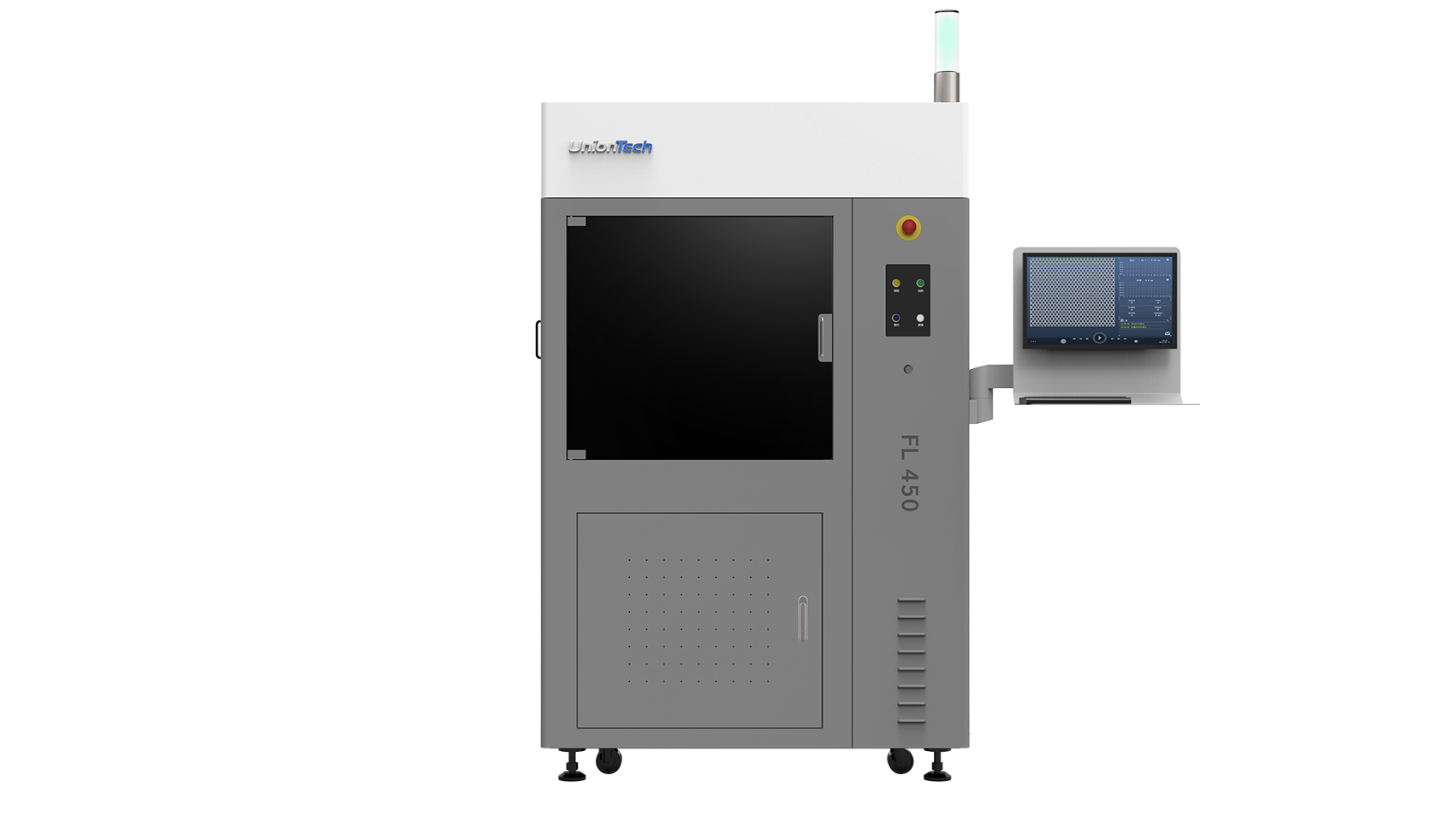
We were running a pilot for custom midsoles and 3d printed footwear (yes, that very niche) with a 500 mm build platform and a resin vat that needed careful handling. Early results: prototypes that matched CAD in hours instead of weeks, yet we still hit hold-ups in post-curing and finish work. The data showed a 60% drop in prototype wait time, but surface faults and material handling meant reworks—so what gave?
Here’s the scene: a shop bench, a failed print, a tired operator. I remember saying to the team, “We’ve got capability — we just don’t have the flow.” (That little mismatch cost us money and morale.) Over the next sections I’ll walk you through why the tech didn’t immediately solve our problems, the hidden pains you’ll face with 3d printed footwear, and where the sensible gains really come from — so we can make better buying calls next time.
Behind the Shine: Traditional Fixes and Hidden User Pain Points
Why did familiar fixes fall short?
I’ll be blunt: traditional workarounds that served injection moulding shops don’t translate well to stereolithography. Early on, we leaned on familiar practices — batch curing schedules, manual resin mixing, and ad-hoc fixturing — thinking they’d do the trick. They didn’t. Look, it’s messy to admit, but our trial in June 2021 at a Wellington satellite plant showed that swapping to SLA reduced tooling expense by about NZ$12,000 in six months, yet scrap from improper post-curing rose by roughly 18% the first quarter. That came from uneven photopolymerisation and inconsistent resin viscosity control.
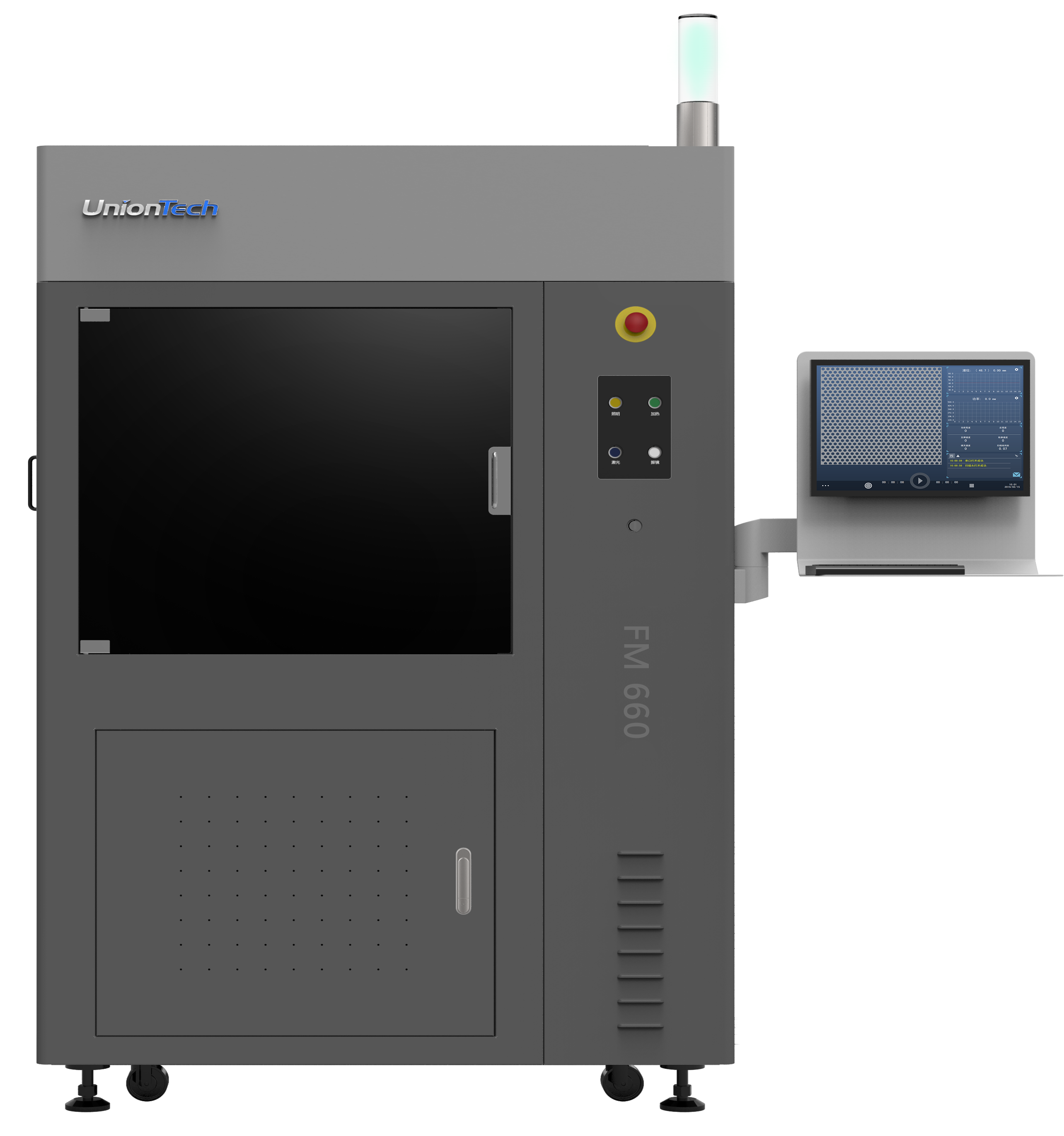
Technically: SLA relies on precise control of the resin bath, the build platform timing, and post-process UV exposure. If you treat it like a CNC mill or a thermoforming line, you miss the details. We had operators used to power converters and static tooling — but SLA needs repeatable handling, calibrated exposure schedules, and clean resin filtration. Edge computing nodes and simple PLCs won’t fix a bad resin chemistry; you need process discipline and specific tooling. I remember one night adjusting a build plate by hand for over an hour — by 2 a.m. I thought, “We can do better.”
Looking Forward: Practical Principles and a Short Roadmap
What’s next — realistic steps, not hype
From here I shift to a practical outlook. New principles that helped our line were straightforward: standardise media handling, automate post-cure cycles, and set clear acceptance criteria for surface finish. We tested a workflow that combined enclosed workstations, automated resin recirculation, and scheduled post-curing. The result: by March 2022 our prototype pass rate climbed from 72% to 92% at the Auckland shop floor I manage. There were still quirks — material shelf life, slight shrink on long thin struts — but the gains were reproducible.
One technical change that mattered was moving to UV sources with consistent output. Upgrading to controlled UV lasers (UV lasers) for post-curing cut variability. We also added simple in-line checks: quick Shore hardness spot tests and a visual surface scan before packing. Small things, but they saved hours downstream and reduced rework costs by about 30% in a six-month stretch.
Advisory close — three metrics I now insist on when evaluating an SLA solution: 1) Process reproducibility: can the machine deliver the same print quality on day 1 and day 180? Measure it by dimensional variance and pass rate. 2) Consumables control: are resin specs, shelf life, and vendor traceability documented? Track scrap cost per month. 3) Post-process automation: does the system support scheduled post-curing and predictable throughput? Log cycle times and rework hours. If a vendor can show those numbers, you’ll make fewer costly surprises — and I say that from having paid for the opposite once too often.
For anyone in footwear product management or wholesale buying: don’t buy into the shine alone. Test for repeatability on your actual parts. Ask for data from a similar run, in a similar climate (we did ours in Auckland and Wellington — results vary with humidity). We still use SLA for custom lines and rapid tooling. I stand by the view that with the right workflow it’s transformative, albeit not automatic. For support and equipment details consider looking at UnionTech — they’ve been in our conversations and equipment pilots.
