



Introduction — a quick question to start
Have you ever wondered why a treatment that looks as simple as lying under a panel of lights can stir up such debate? In clinics and wellness studios across Mzansi, people talk about red light bed results — some rave, some shrug (ag, it’s confusing). Recent surveys show roughly 40% of users report noticeable skin or muscle changes within weeks, while objective measures like collagen markers are less consistent; so what’s the real story?

I’m keen to unpack that with you, because I’ve spent time beside therapists and engineers who argue over wavelength choices, irradiance and treatment protocols. We’ll touch on photobiomodulation basics, fluence and power density — but I’ll keep it plain. Why does a red light bed sometimes work miracles and at other times just warm your skin? Let’s get into it — and then we’ll dig deeper into the less obvious problems that trip people up.
Part 2 — Where standard approaches go wrong (deeper layer)
collagen bed therapy is often sold as a turnkey fix: one session, relaxed, lights on, better skin. I’ve sat in enough consultations to know the promise is seductive. Yet the technology side — LED arrays, wavelength tuning and power converters — is where many manufacturers cut corners. Clinicians might accept low-cost panels that deliver poor irradiance or uneven fluence across the treatment area, and patients feel disappointed. In short: inconsistent dose and poor calibration kill outcomes. Look, it’s simpler than you think — the device must deliver the right wavelength range (typically 630–670 nm or near-infrared around 810–850 nm), consistent power density, and controlled session duration. Without those, the biochemistry that prompts collagen synthesis stalls.
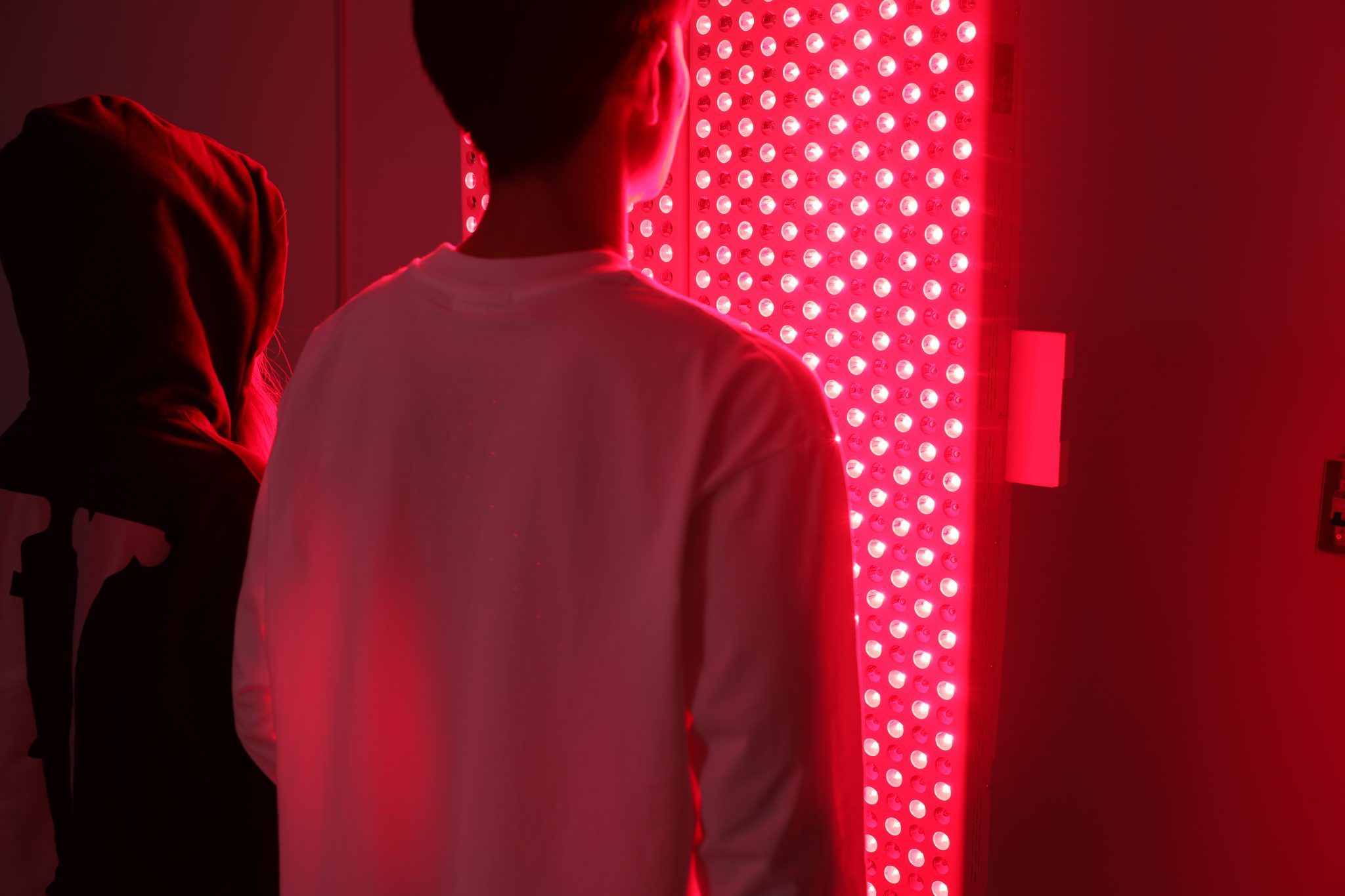
Why do outcomes vary so much?
Here’s the technical bit, but I’ll keep my jacket on: photobiomodulation depends on absorbers in the mitochondria that respond to specific wavelengths and irradiance. If the irradiance is too low, you get no effect; too high and you risk heating (not what we want). Add to that poor uniformity across the panel, and some skin zones receive enough energy while others don’t. Clinicians often overlook measurement tools (a handheld radiometer, say) and user training. The result is patched results, frustrated users, and clinics chasing explanations. I’ve seen it happen — funny how that works, right? Engineers call out power converters that can’t sustain stable output, and therapists lament unrepeatable protocols. Both sides need to align.
Part 3 — Comparative future outlook: where we should head
Looking forward, I favour a practical, semi-formal approach: evaluate new systems by their engineering principles, then test them in real-world settings. Manufacturers are beginning to adopt better LED arrays and smarter control electronics that manage duty cycles and thermal feedback. That’s the new technology principle in action — improved hardware (better LED binning, intelligent drivers) plus software that records dose metrics. When we pair that with clinical protocols tuned to wavelength and session fluence, the promise of collagen bed therapy becomes more credible. I’ve compared units side-by-side; the difference is measurable, not mystical.
What’s next for clinics and consumers?
Clinics should push for devices with validated output, and patients ought to ask for simple metrics — peak irradiance, treatment time, and treated area. Manufacturers that include real-time sensors and logging win trust. Also, case examples are emerging where consistent protocols led to reproducible collagen gains and decreased recovery times after exercise. Real-world impact matters: it’s one thing to have good specs on paper; it’s another to see repeatable patient outcomes. Ja, that means more rigorous testing, but it’s worth it.
Closing — three practical metrics and a parting note
Before I sign off, here are three metrics I use when evaluating red light beds and related systems: 1) Peak irradiance (mW/cm²) across the treatment surface; 2) Wavelength accuracy and spectral bandwidth; 3) Logged fluence per session (J/cm²) with device-generated records. Ask for those. I recommend also checking for thermal management and serviceability — because maintenance matters. We’ve covered the missteps, the technical fixes, and a sensible path forward — measurable, accountable, practical. There’s a human side to this too: people seeking relief or skin improvement want clarity and results, not jargon — and that’s what I aim to help you find. For reliable solutions and further reading, consider what brands put transparency first, including Magique Power.
