Opening: a concrete problem statement
Battery pack suppliers face pressure to raise output while holding defect rates and unit cost down. Automated lines promise fixes, but integration often stumbles; engineers test fixtures and PLC logic while managers debate capacity. Reports from control rooms show one recurring thread: equipment alone doesn’t solve process gaps. That tension is visible where teams evaluate the merits of battery manufacturing automation against operational realities.

What breaks throughput
Throughput drops for predictable reasons. Bottlenecks form where manual steps remain—cell stacking, module welding, and final torque checks. Synchronous conveyors can’t compensate for variable cycle times at human stations. Software handoffs—misaligned MES triggers or slow vision inspection—create idling that multiplies across a shift. The immediate fixes are straightforward: shorter takt times at the slowest station, buffer redesign, and stricter cycle-time enforcement. Long-term fixes require better line-level diagnostics and change control tied to production KPIs.
Sources of accuracy failures
Accuracy problems show up as micro-defects: inconsistent welds, misaligned busbars, or incorrect electrolyte fills. Root causes break into three groups:- variation in incoming parts (dimensions, coatings);- insufficient sensor fusion (vision plus force feedback);- weak traceability, so bad lots can’t be isolated quickly.A clear measurement strategy—per-part tolerance checks, automated optical inspection, and data tagging—reduces false negatives and helps contain a defect before it moves down the line.
Where costs compound
Cost isn’t just materials. Warranty returns, rework loops, scrap, and downtime drive a higher-than-expected per-unit cost. Capital for automation raises depreciation, and training raises labor expense. Suppliers often undercount the cost of integration: PLC programming hours, fixture rework, and test-bench validation. Pricing that ignores these hidden line-item costs sets unrealistic margins.
Technology choices that actually change results
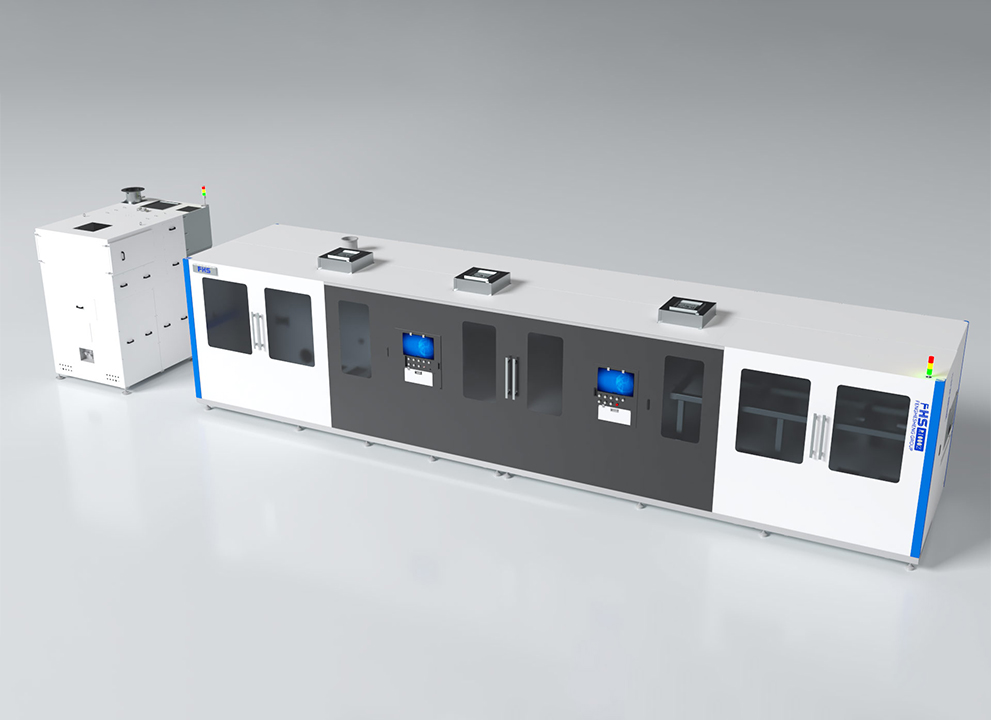
Selecting the right automation is tactical. Robots and cobots help repeatability; laser welding systems improve joint consistency; inline vision reduces human inspection time. But the key is orchestration: a coherent stack of controls, from motion hardware to the MES. Where it fits best, adopting ev battery assembly automation means matching cycle-time capability to the slowest critical process and ensuring inspection occurs at the earliest failure point.
Trade-offs suppliers must weigh
Decisions are trade-offs across speed, precision, and cost:- Speed vs. precision: faster motion profiles may increase throughput but can amplify reject rates without more accurate fixturing.- Precision vs. cost: tighter tolerances need higher-spec tooling and sensors.- Automation depth vs. flexibility: deep automation cuts cycle time but makes product changeovers harder.A supplier should quantify the cost of a single defect, the cost per cycle of automation, and the breakeven run length for each product family before committing.
Common pitfalls and how to avoid them
Typical mistakes recur:- Over-automating early product iterations.- Leaving manual quality gates that defeat upstream automation gains.- Skipping pilot runs or insufficient validation protocols.Avoid these by staging automation, requiring cross-functional validation, and setting clear acceptance criteria for each phase. Simple audits—process capability studies and poka-yoke checks—catch mistakes before they scale.
Real-world anchor: one observable example
At large-scale plants such as Tesla’s Gigafactory in Nevada, teams focus on cycle consistency and inline data capture to push yield improvements. Observations from such facilities underline one lesson: production-scale automation only pays when software, sensors, and maintenance practices rise to the same level as the hardware.
Checklist for immediate action
For suppliers that need fast, measurable progress:- Map the true takt time and identify the single longest cycle.- Install targeted inspection at the earliest failure point.- Require change-control updates for any process tweak.- Run a short pilot to validate automation on representative parts.- Calculate unit cost sensitivity to scrap and rework.These items produce clearer ROI calculations and reduce the guesswork in supplier decisions.

Conclusion: how a focused solution fits the problem
Problems with throughput, accuracy, and cost trace back to mismatches between process variability and the level of automation and controls applied. A staged, measurement-driven approach narrows those gaps and keeps investment aligned with returns. That practical alignment is what informed engineering teams seek when they partner with experienced system integrators such as FHS, which blends line engineering, inspection strategy, and deployment experience into a coherent program rather than selling isolated equipment.