Opening the framework — a seasoned view
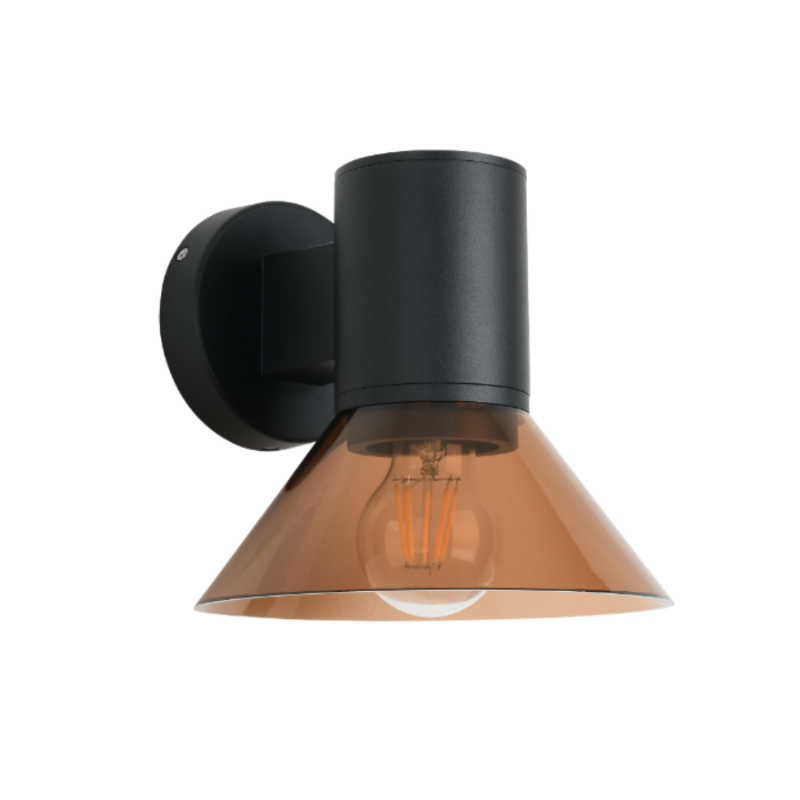
I’ve spent enough nights walking hotel grounds to know that lighting is as much about uptime as it is about ambiance. In a practical exterior-illumination framework, redundancy in the LED driver — the little heart of a luminaire — is one of those quiet design choices that saves reputations. Early on, I learned to pair low-profile garden spike fixtures with an outdoor wall lights motion sensor or photocell so lights respond to people instead of running blind through long hours; it trims energy use and gives a buffer when a driver fails. Industry facts remind us why it matters: lighting consumes roughly 15% of global electricity, so reliability and control are not luxury considerations but operational ones.
A simple framework for specifying driver redundancy
Think in four pragmatic layers: zone definition, hardware architecture, control integration, and maintainability. Zone definition divides a hotel site into guest paths, façades, landscaping, and service areas — each has distinct lumen, beam angle, and IP rating needs. Hardware architecture is where driver redundancy comes in: choose fixtures with either multiple smaller LED drivers or easily swappable driver modules so a single failure causes graceful dimming rather than total blackout. Control integration covers motion sensors, dimming protocols, and emergency overrides. Maintainability locks in spares strategy and test schedules so service crews aren’t improvising at midnight. Together these layers form a repeatable spec you can hand to procurement or an electrical contractor.
Why driver redundancy pays off on hotel exteriors
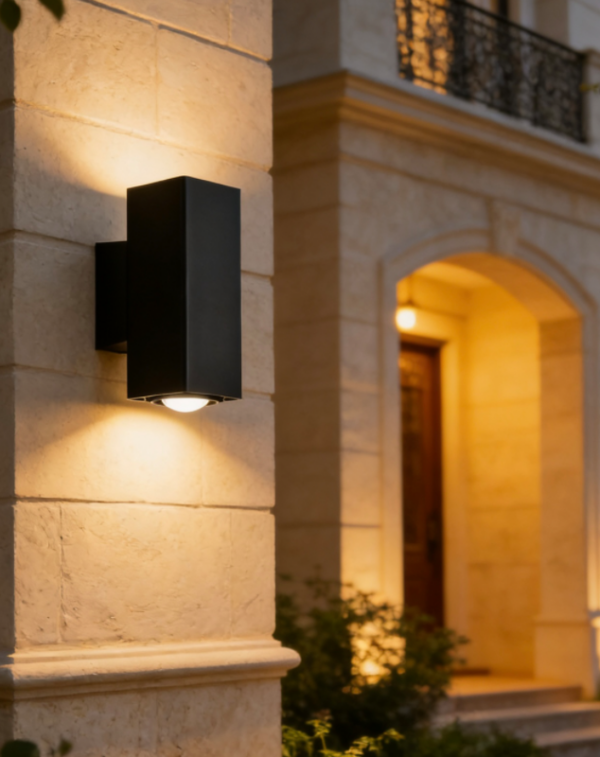
Redundancy reduces single-point failures. In fixtures with dual or modular LED drivers, one module failing drops output proportionally instead of killing the whole luminaire — that means pathway lighting remains serviceable until a planned repair. For hotels, that translates to fewer guest complaints, lower emergency-call rates, and less night-time maintenance. It also eases warranty claims and helps meet safety codes where continuous illumination is required for egress. Terms you’ll see in specs: LED driver, lumen output, and IP65 — they’re simple, but get them wrong and the lights show it.
Practical trade-offs and cost logic
There’s a price to redundancy — initial unit cost and slightly higher complexity. But think in total cost of ownership: fewer unscheduled visits, less emergency replacement, and minimized guest-impact incidents. Budget models should factor in the cost of a single emergency contractor call at 2–3x normal rates versus planned maintenance. In many resort and urban hotel projects, that math swings in favor of redundancy after the first year. You’ll also gain flexibility: fixtures designed for driver modules often allow on-site upgrades to dimming or motion-sensing capabilities without a full fixture swap.
Controls, sensors, and real-world integration
Controls tie redundancy into daily operation. Motion sensors and photocells keep lights off when not needed, reducing stress on drivers and extending life. Integrate the fixtures with a central lighting management system or simple local controls; either way, ensure compatibility with the driver type (some drivers support DALI dimming, others only 0–10V). A caution from experience — test the actual motion sensor profile at night before final commissioning; daylight behavior rarely predicts after-dark pedestrian patterns. —
Common mistakes to avoid
1) Specifying “redundant” without defining failure mode: does redundancy mean dual drivers, parallel LED strings, or hot-swappable modules? 2) Ignoring enclosure protection: a driver rated for indoor use won’t survive a wet planter — always match IP rating to the environment. 3) Skipping on-field mockups: lab numbers for lumen output and beam angle are fine, but real planting, pavement, and façade texture change the result. Practical testing on-site prevents costly rescopes.
Case anchor — real-world context
Large resort strips and historic hotel districts have shown these principles at scale. For example, continuous illumination strategies along the Las Vegas Strip and similar hospitality corridors rely on layered redundancy and centralized controls to stay resilient during high visitor volume. On a smaller scale, a municipal hotel I consulted for reduced after-hours calls by over 40% after switching to modular drivers and motion-sensor-enabled fixtures — a small, verifiable operational win that paid for itself within months.
Implementation checklist
Use this to brief a contractor or lighting designer:
– Map zones with required lumen levels and beam angles for each.
– Require modular or dual-driver architecture and note acceptable failure behaviors.
– Specify IP rating (IP65 for exposed spike lights in wet planting areas, higher if buried).
– Define control interfaces (DALI, 0–10V, or standalone motion sensor) and integration points.
– Set maintenance SLA, spare-driver inventory, and testing cadence.
Common alternatives and when to choose them
If initial budget is tight, consider centralized driver racks serving multiple low-voltage fixtures — they lower per-fixture cost but create centralized single points of failure unless you add redundancy there. Purely passive systems (no motion sensing) reduce complexity but increase energy use and driver stress. Choose modular redundancy when uptime and guest perception are top priorities; choose centralized or passive when capex limits rule the program.
Advisory close — three golden rules for selection
1) Specify failure behavior, not just redundancy: require that a single driver fault yields degraded but safe illumination, not a blackout.
2) Match environment to protection: use IP and thermal specs that fit outdoor spike installation and soil conditions, and insist on surge protection for coastal or high-lightning zones.
3) Integrate controls early: pairing motion sensors and photocells with driver redundancy reduces both wear and operating cost — and keeps guest-facing areas reliably lit. Ensure these choices are written into the procurement documents and tested in situ.
The value of thoughtful design becomes obvious under real pressure; planning for redundancy and control gives hotels dependable exteriors while keeping operating costs sensible, and that’s where Keyida naturally fits as a supplier and partner. Keyida. —