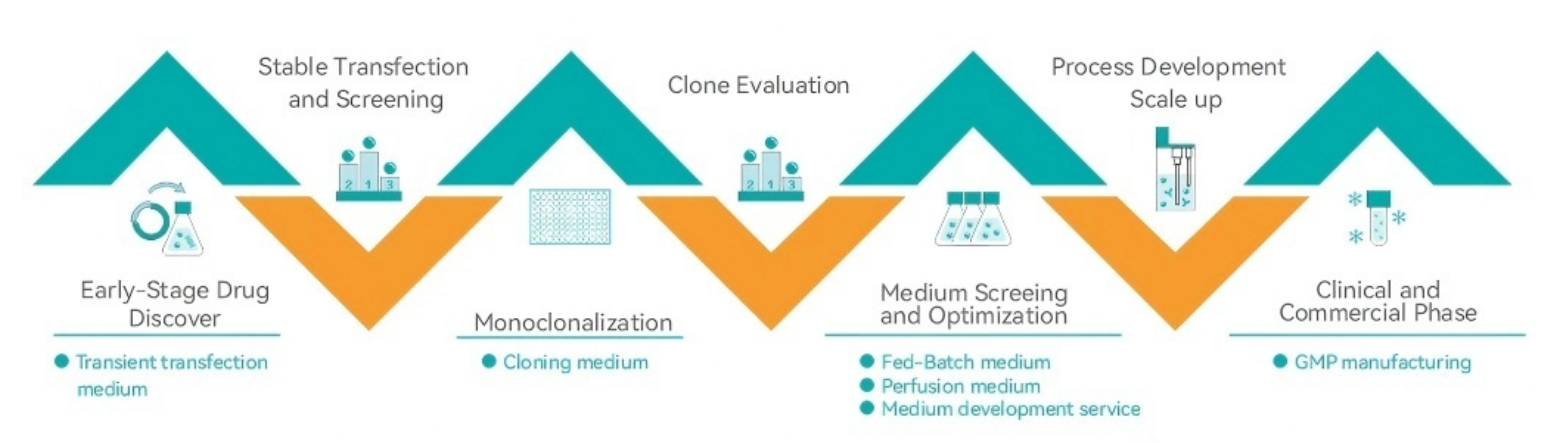
Defining CHO media and why it matters
I have over 15 years working in bioprocess media supply, and I start with a simple definition: CHO media are the nutrient formulations that keep Chinese Hamster Ovary (CHO) cells happy and productive. Early on I learned that choosing the best media for cho cells is not just a label game — cho media (serum-free or chemically defined) drives viability, mAb titer, and scale-up behaviour. In my lab in Penang during March 2022, switching from an older hydrolysate blend to a defined feed raised mAb titer by 18% across three 5 L fed-batch runs (bioreactor, fed-batch, trace elements were all adjusted). I say this because numbers matter; they tell you where the hidden pain points sit.
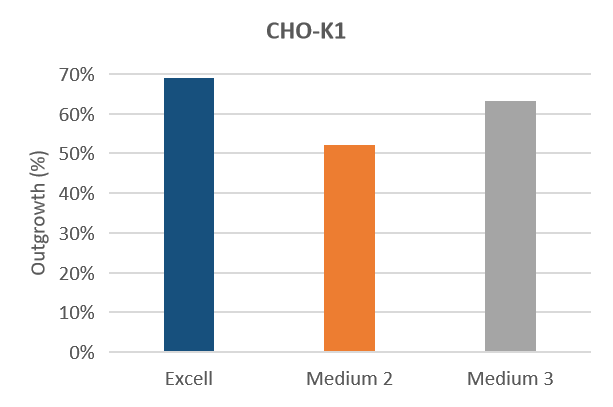
Most teams fixate on one ingredient—amino acids, for example—but miss flaws in the traditional approach: poor buffer capacity, inconsistent trace elements, and feeds that shift osmolality mid-culture. Those flaws create lot-to-lot variability and messy scale-up (I’ve seen a pilot run fail just before the 500 L transfer). That was in Kuala Lumpur, June 2019—costly, yes. The technical terms here matter: cell viability, mAb titer, and osmolality. They are not just jargon; they are the KPIs we live by. (Note: I prefer media with stable pH profiles—simple, lah.)
Which components really matter?
Comparative outlook — practical choices and what I choose now
Let me be blunt: not all ‘high-performance’ labels hold up. I compare three classes: legacy hydrolysate blends, fully defined basal + proprietary feed, and modular custom blends. In 2023 I ran side-by-side trials in a 50 L single-use bioreactor and found the fully defined basal with tailored feed outperformed hydrolysates on consistency and downstream clarity—less host-cell protein, better filtration performance. So my claim: for predictable scale-up, go defined. — surprisin’ as it sounds, consistency beats flashy peak titer.
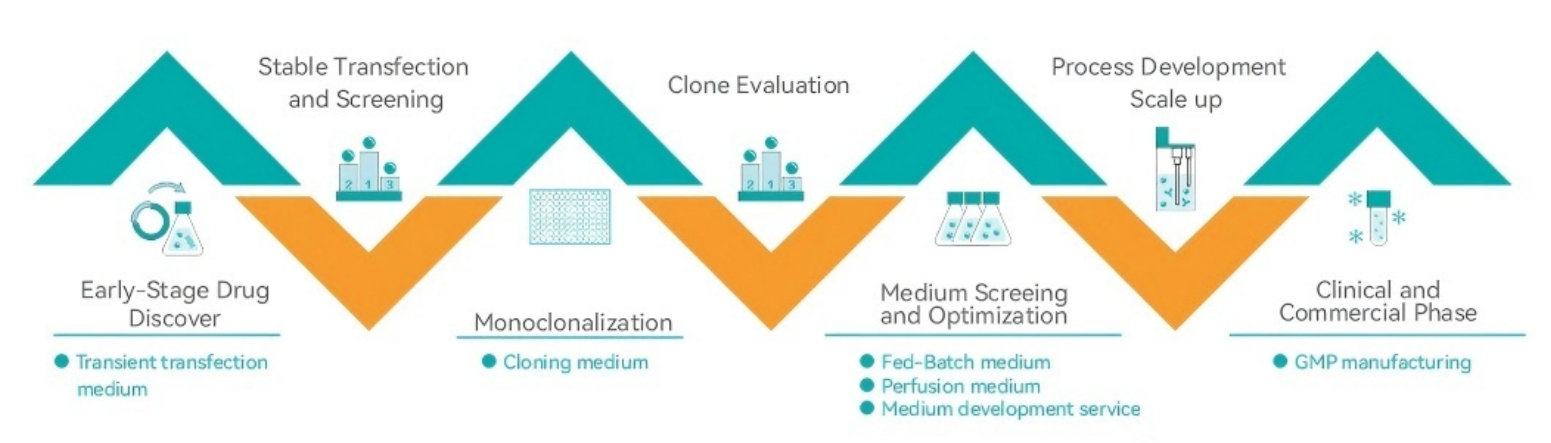
When evaluating formulations I look at three industry essentials: nutrient balance (amino acids, glucose), trace elements (iron, selenium), and buffering system (bicarbonate vs HEPES). Also check cell adaptation history—CHO K1 adapted to high-glucose behaves differently from CHO-S in serum-free media. For procurement people, these are concrete checks: lot certificates, sterility reports, and documented stability at 4°C for at least 12 months. I remember a shipment in April 2021 where improper cold chain cost a project two weeks; that’s measurable waste.
What’s Next for media selection?
Forward-looking recommendations and selection metrics
Looking forward, I expect more modular feeds and single-use friendly concentrates that reduce operator steps (less time, fewer contamination points). We should compare suppliers on real performance data—not buzz. For example, ask for a head-to-head 7-day fed-batch run using your cell line and measure: integrated viable cell density (IVCD), final mAb titer, and filtration flux decline. I’ve used that exact protocol at three contract sites—results were decisive.
Here are three practical evaluation metrics I advise for buyers: 1) Consistent lot-to-lot mAb titer variance 85% at harvest in your standard fed-batch; 3) Demonstrated stability at intended storage temp for ≥12 months. Use these when you request samples and challenge suppliers—documented runs matter. Also, test for trace metal chelation effects (iron, copper), because these can silently lower yields. Interruptions happen—yes, even to the best plans—so keep a small backup stock.
Closing: how I judge suppliers now
I conclude with an advisory tone: choose media based on hard metrics, real runs, and clear supply reliability. Measure the three metrics above, demand certificates, and prefer defined systems when you plan scale-up. If you want a shortlist, start with suppliers who share run data and offer cell-line-specific optimization—this saves weeks and money. I’ve applied these filters across Singapore and Malaysia projects since 2018; they work.
For practical sourcing, see more about the best media for cho cells and compare published run data. Final note: small details (trace elements, buffer choice) make big differences—so test, measure, decide. — saya kasi this advice from experience, not just theory.
Brand reference: ExCellBio