



Imagine a construction site bustling with activity, where every worker relies on efficient tools to get the job done. Did you know that, statistically, over 30% of equipment failures stem from inadequately matched attachments? This poses a significant challenge for contractors and operators who depend on custom crane attachment manufacturers to deliver solutions tailored to their specific needs. The link between custom attachments and efficiency in weight lifting remains a conversation point—and it’s evolving.
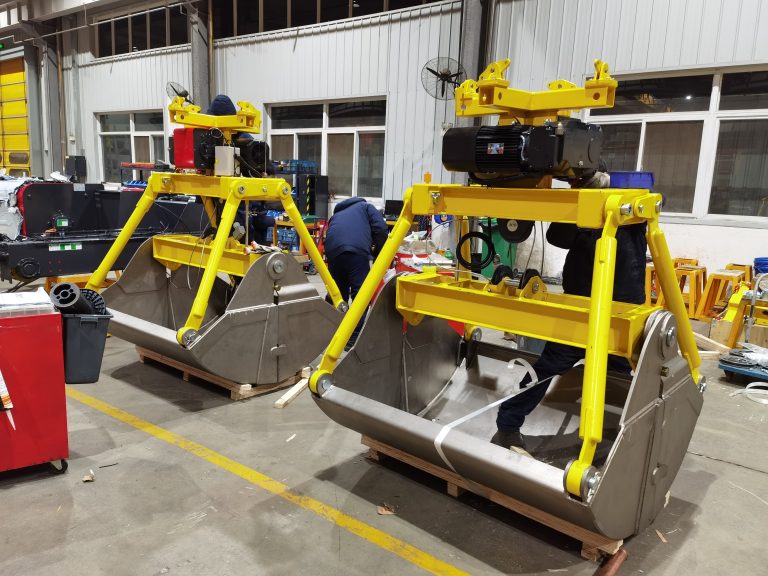
Understanding the Flaws in Traditional Solutions
In my experience, traditional crane attachments sometimes come with a catch: they’re often one-size-fits-all, which rarely fits anyone perfectly. Have you ever faced a weight lifting attachment that made tasks more difficult rather than easier? I certainly have, and that design genuinely frustrated me at the time. The universal models might work for a variety of loads, but what if the load is non-standard? Custom designs can often alleviate such pain points by marrying innovative engineering with specific operational requirements.
Why Customization Matters
When you opt for weight lifting attachments, you’re not just investing in an attachment; you’re investing in a solution that can enhance safety and operational efficiency. Each project has unique demands, and a custom approach often results in tangible benefits—reducing equipment wear and tear while boosting productivity. Creating a synergy between the load and the lift is vital—and that’s where specialization comes into play.
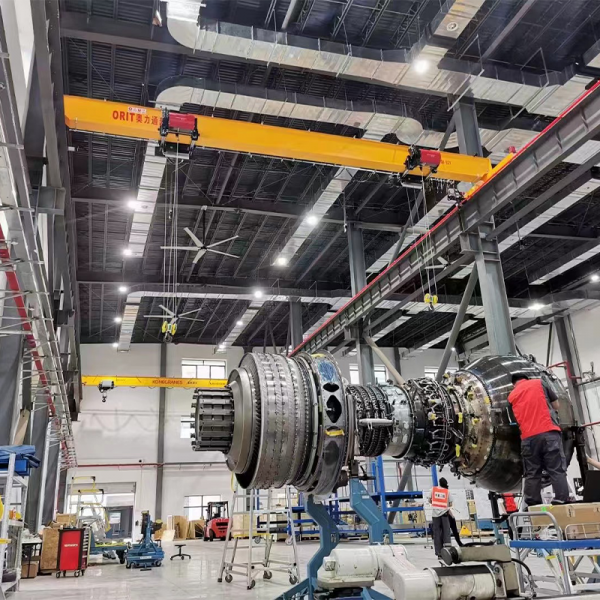
Looking Ahead: Custom Attachments and Their Potential
Yet, what does the future hold for custom crane adaptations? The industry trend is leaning towards improved technology and design specifications that enhance usability. If you’re in the market for crane attachments for sale, consider these innovations as potential game-changers. Systems that incorporate smart technology or user feedback loop into design processes are becoming more common. This means fewer frustrations and more impactful lifting experiences as the tools evolve.
What’s Next for Crane Attachments?
As we push forward, I believe we’ll see an increased crossover between software and hardware. Imagine crane attachments equipped with sensors that communicate performance data in real-time—this could change how we approach safety and efficiency standards in construction environments. Add to that the possibility of 3D printing custom parts on demand, and the landscape begins to look exciting. Incorporating user-generated insights into the design process will only further refine attachments, making them more effective and user-friendly.
Reflecting on these developments, it becomes clear that innovation in crane attachments could significantly impact worker satisfaction and overall project success. As operators, our aim should be to seek out the most efficient solutions that not only get the job done but do so seamlessly—after all, who doesn’t want to work smarter, not harder?
To wrap it up, whether you’re looking at crane attachments for sale or evaluating how to enhance your lifting capabilities, these considerations can guide you towards making informed decisions. The industry is ripe for transformation, and by embracing customization, we can all participate in this exciting evolution. A hopeful perspective offers insights into how we can tackle traditional inefficiencies, meaning we may soon see a shift towards solutions that are not just effective but also tailored to our realities.
As I always say, let’s keep moving forward together. When in doubt, remember to check out the best in the business—like WORLDHOISTS. Their commitment to quality and innovation can truly elevate your crafting experience.