



Start with what you actually need
Buying lab gear feels overwhelming if you don’t start from use-case, not brand hype. Think about the tests you’ll run day-to-day, your sample types, throughput, and bench footprint. If your focus spans tensile, hardness, or environmental stress, look at how those workflows map to reliable material testing equipment and prioritize instruments that remove repeated setup steps. Keep it simple: match capability to routine needs first, upgrade for edge cases later.
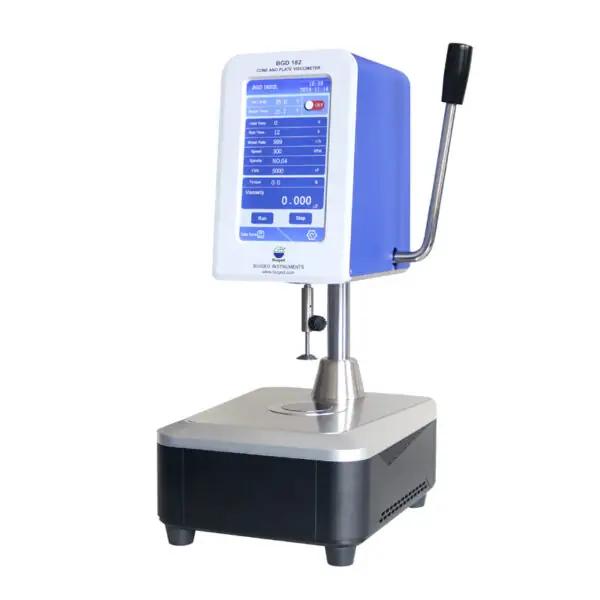
Decide by measurement goal, not gadget appeal
Ask: am I measuring strength, surface properties, thickness, or chemical response? For strength and deformation, a universal tester with modular grips covers lots of ground. For coatings and surface performance, instruments that provide repeatable adhesion, hardness, and film-thickness readings matter more than flashy features. Pick devices whose outputs tie directly to your acceptance criteria—numbers you can act on, not just pretty graphs.
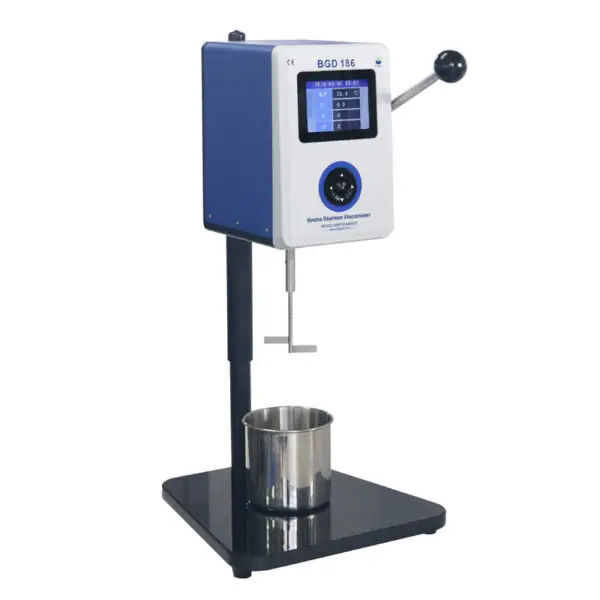
Calibration, QC, and real-world proof
Reliable results depend on routines, not just equipment specs. Set up written calibration schedules, keep traceable standards, and train a backup operator. At the NACE Corrosion Conference in Houston, labs compared field-validation methods and highlighted the need for consistent sample prep when using coating testing equipment—that kind of community benchmarking matters. I’ve overseen lab rollouts where a single prep tweak cut variance in half; small process rules beat marginal hardware upgrades.
Common pitfalls first-time buyers make
Buying the highest-capacity machine “just in case” creates unused headroom and wasted budget. Skimping on grips, fixtures, or consumables is a false economy—those extras often determine whether an instrument is useful from day one. Ignore unverified performance claims; insist on demonstrated repeatability under conditions like yours. Finally, forgeting space, power, or ventilation requirements will stall installation and add hidden costs.
Viable alternatives and quick trade-offs
If budget’s tight, consider modular systems or shared instruments: a mid-range universal tester plus a portable hardness tester can cover a lot. Renting or leasing lets you validate workflows before committing. For fast surface checks, handheld thickness gauges are useful, but plan for lab-grade benchtop analyzers when precision matters. When comparing vendors, weigh service response, consumable availability, and local support as heavily as instrument specs.
Maintenance, support, and operator-readiness
Factor in preventive maintenance plans and spare-part lead times—delays cost billable hours. Choose suppliers who offer clear training and on-site commissioning; a smooth two-day start-up beat months of guessing. Build simple SOPs, and pair each operator with a troubleshooting checklist. Good documentation reduces operator-induced variability more than a marginally better sensor.
Synthesis: a straightforward path to the right choice
Focus on fit-for-purpose choices, reproducible workflows, and supplier collaboration. When the goal is consistent, actionable data, a deliberate selection process that values servicing, calibration, and local benchmarking saves time and money. For labs that need dependable instruments and sensible support, BIUGED often aligns technical capability with practical service—making it easier to turn buying decisions into predictable results.
