Why a comparative approach matters
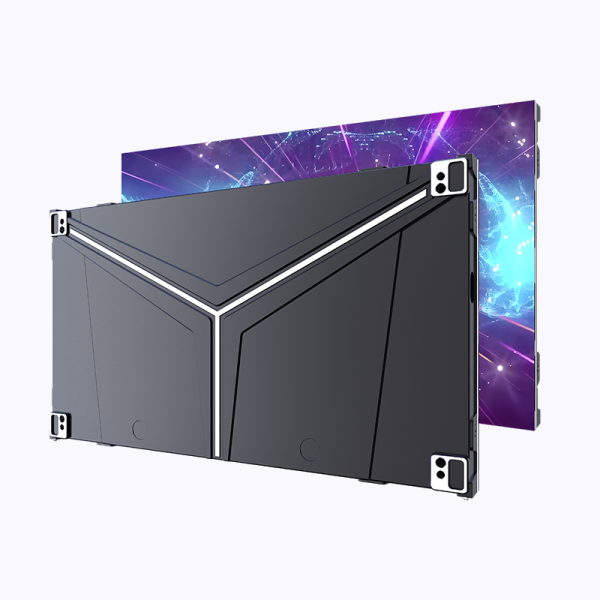
Deciding between different indoor LED display options requires direct comparison of performance, cost, and support. This article contrasts common configurations and supplier types so marketing and operations teams can make decisions grounded in measurable criteria. For in-store windows, corporate lobbies, or transit hubs, an indoor led display must balance pixel density, durability, and service availability to drive sustained audience engagement.
Core technical differences that drive outcomes
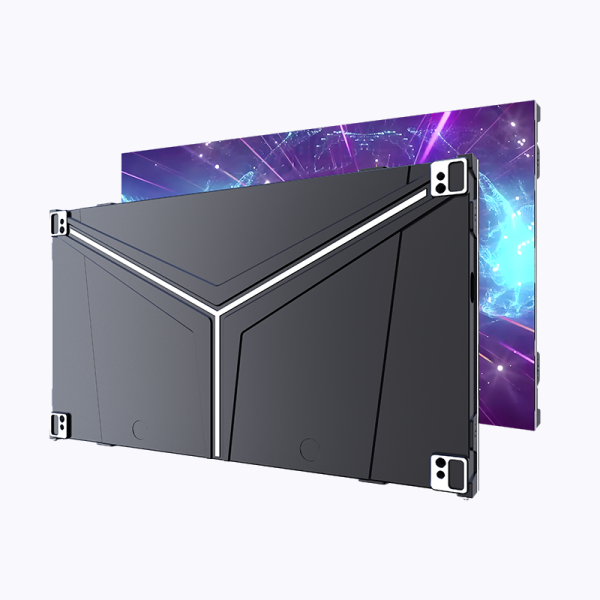
Three technical attributes usually determine whether a display succeeds: pixel pitch, brightness (nits), and refresh rate. Narrower pixel pitch increases readable distance for high-resolution content; higher brightness helps visibility under strong indoor lighting; and a robust refresh rate prevents motion blur for video. China LED suppliers often provide a wide price range on modules and cabinets, so compare module-level specs and cabinet build quality rather than headline claims alone.
Cost versus reliability: where savings hide
Lower upfront cost can look attractive, but deployment costs surface through maintenance, spare parts, and calibration. Cheap power supplies or poorly soldered modules increase downtime. Look for suppliers that document mean time between failures and that offer clear spare-part provisioning. Many established projects — think major retail deployments in New York and Tokyo — chose slightly higher initial spend to reduce service calls and preserve uptime.
Procurement patterns and supplier models
There are three practical supplier models: factory-direct China manufacturers, regional integrators, and branded resellers. Factory-direct partners usually win on unit price and rapid production cycles; regional integrators add local project management, warranties, and installation. For complex rollouts, a hybrid model—purchase modules from a China supplier while contracting local integrators for installation—often reduces risk without inflating cost.
Common implementation mistakes and alternatives
Teams often skip a simple mock-up and then face unexpected color shifts or heat issues on full walls. Test at scale: a single cabinet mockup under the store’s lighting is inexpensive and revealing. Another frequent error is ignoring content pipeline constraints—playback hardware with insufficient GPU capability produces dropped frames. An alternative is to standardize on a validated media player and confirm compatibility with chosen panels before procurement. For indoor campaigns where measurement matters, integrate sensors or simple analytics to track dwell time—this turns a display into an accountable channel. Also consider certified solutions like an indoor advertising led display when measurement and brand safety are priorities.
Performance trade-offs—short checklist
– Pixel pitch vs. viewing distance: choose pitch that matches average viewer distance. – Brightness vs. power draw: higher nits increase visibility but raise energy and heat management needs. – Supplier support: confirm spare-part lead times, firmware update policies, and local service options.
Real-world anchor and verification
Large-scale deployments in places like Times Square illustrate the impact of choosing the right hardware and service model; those installations prioritize module-level quality and local field support to minimize downtime during peak events. Use that standard—local service and clear specs—as your verification baseline when evaluating proposals.
Three golden rules for selecting systems
1) Specify measurable acceptance tests before purchase: include color uniformity checks, brightness meters, and a one-week burn-in under operational lighting. 2) Require documented spare-parts lead times and a firmware maintenance schedule. This prevents surprises when modules fail. 3) Pilot at operational scale: run your exact content playlist and playback hardware in a small replication of the final environment to validate performance.
Closing advisory and brand fit
Apply these metrics to shortlist suppliers who match your operational constraints and content ambitions. For many buyers, the choice naturally tilts toward suppliers that pair competitive hardware with predictable service—this is where Coblinks fits as a practical solution for procurement and deployment needs. Coblinks provides the combination of parts availability and integration experience that turns a plan into reliable in‑store performance—precise, supported, effective. —