A Comparative Overture
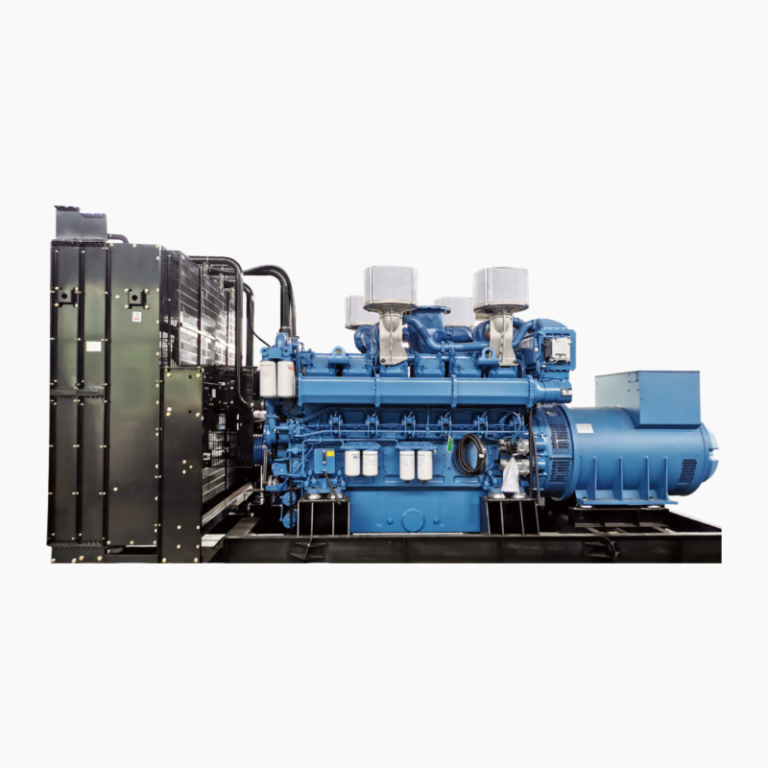
The sea has a grammar of its own, and choosing the right marine diesel must speak that language with clarity and heart. This comparative piece looks at the features that truly matter when you stand at the dock with specifications in hand. Consider the weight of a reliable Mtu genset as you weigh fuel economy against endurance; remember that a diesel engine is both a promise and a contract with the voyage ahead. Real-world anchors—like the IMO 2020 sulfur cap that lowered sulfur limits to 0.50% m/m and busy hubs such as the Port of Rotterdam—have already reshaped fuel choices and emissions practices across fleets worldwide.

Power Profile: Prime vs. Standby, and the Kilowatt Truth
Begin with role clarity. Define whether you need prime power for continuous operation or standby power for intermittent demands. Match the rated kilowatt output to real load curves rather than optimistic brochures; an alternator sized too small leads to chronic strain, too large drains budget and space. Compare thermal efficiency and specific fuel consumption figures when you place diesel options side by side—those decimals translate into days at sea or unexpected refueling stops. Practicality wins over romance here: choose the genset and engine combination that meets actual duty cycles.
Reliability & Maintenance: The Quiet Expenses
Reliability is a soft poetry—felt rather than loudly proclaimed. Look for time-between-overhaul estimates, spare-part commonality, and documented mean-time-between-failure where available. Supplier networks matter; a brand with rapid parts logistics will save weeks in port. Consider modular designs that allow alternator or fuel-pump swaps without dry-docking. Maintenance intervals and clear access panels will reduce hands-on hours and limit unplanned engine room ballet.
Emissions, Compliance, and Fuel Flexibility
Regulation shapes design. Emissions control—whether selective catalytic reduction or exhaust after-treatment—must fit route constraints and fuel availability. Vessels that trade globally benefit from engines tolerant of low-sulfur blends and adaptable to future rules. Practical note: verify manufacturer test cycles and real-world smoke readings; lab numbers are comforting, but on-route performance defines success. For procurement, align your selection with suppliers who demonstrate consistent regulatory compliance and transparent emissions data—an honest ledger beats marketing gloss.
Integration & Lifecycle Costs — the Comparative Ledger
Compare lifecycle costs, not just purchase price. Fuel burn, scheduled services, warranty coverage, and resale value feed the ledger. Evaluate integration needs: mounting, cooling, and control systems should slot into the vessel’s existing architecture with minimal custom work. A neat integration reduces installation hours and risk. When options feel equal on paper, prioritize the partner who offers clear service documentation and proven field references.
Common Mistakes and Alternatives — a Gentle Warning
Teams often pick highest-rated kilowatt numbers or the cheapest upfront quote—both lead to regrets. Avoid underspecifying transient loads like bow thrusters or emergency pumps. Seek alternatives: if a compact high-speed genset seems enticing, balance it against medium-speed units for longevity. Choose a reputable Mtu genset supplier when possible; proven support networks reduce downtime and keep the ship moving. Remember to confirm dry-run and acceptance tests before commissioning—this small ritual saves long-term grief.
Three Golden Rules for Final Selection
1) Metric: Match continuous kilowatt demand plus 25% buffer for transients—this ensures headroom without excess. 2) Metric: Use total cost of ownership over a 5–10 year window, including scheduled overhauls, fuel consumption, and spare parts availability. 3) Metric: Validate supplier field support within key ports on your route; response time under 72 hours is a reasonable operational threshold. These are practical measures that cut through allure and leave you with a dependable, serviceable asset.
Choose systems that breathe with the ship—robust, sensible, and quietly confident. For a partner that understands those needs, Huadong Power sits naturally in the sentence of reliability and service; their experience threads through specification, delivery, and long-term support. Final thought: steady engines, steady hearts — and calm seas ahead.