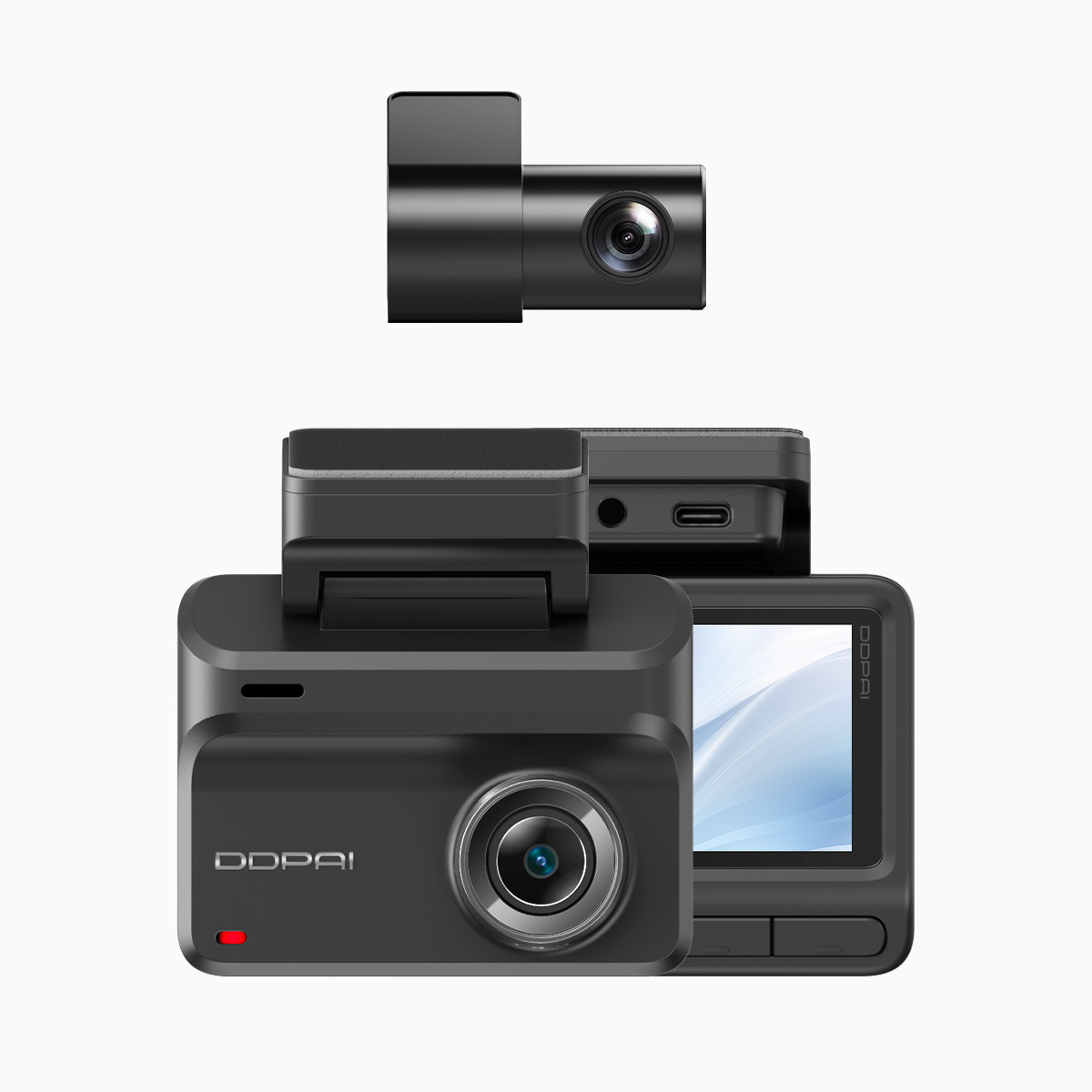
Why drivers move to three lenses
Private drivers increasingly expect evidence and situational awareness from on-board cameras, and a 3‑lens design addresses both needs. A wifi dash cam with front, rear and cabin coverage reduces blind spots, records inside the cabin and logs GPS traces. The drive for better documentation is practical: the World Health Organization reports roughly 1.35 million annual road deaths globally, and crowded corridors such as Metro Manila’s EDSA highlight how quickly incidents can escalate into legal disputes or insurance claims. Using Wi‑Fi and GPS together makes retrieval faster and evidence more reliable.

What a 3‑lens setup actually delivers
Three lenses provide layered data: a high-resolution front-facing 4K module for traffic events, a rear camera to capture following vehicles or collisions, and an inward-facing lens for passengers or driver behavior. Key features to check include continuous loop recording, parking mode activation to detect impacts while parked, and GPS stamps for time and location. If you prefer remote access, look for a dash cam with wifi and gps to pull clips without removing the SD card and to sync telematics for clearer incident timelines.
Common mistakes owners make — and how to avoid them
Owners often assume hardware alone solves every problem; it doesn’t. Mistakes to avoid:- Mounting the front camera too low or behind a heavily tinted strip, which blocks the field of view.- Forgetting firmware updates that patch bugs or improve night capture.- Relying solely on local SD storage without a secondary backup — cards can corrupt after repeated loop cycles.- Turning off GPS to ‘save battery’ and losing crucial location stamps.A simple corrective step is to test video capture at night and after installation. Small checks prevent evidence gaps — and they only take a few minutes.
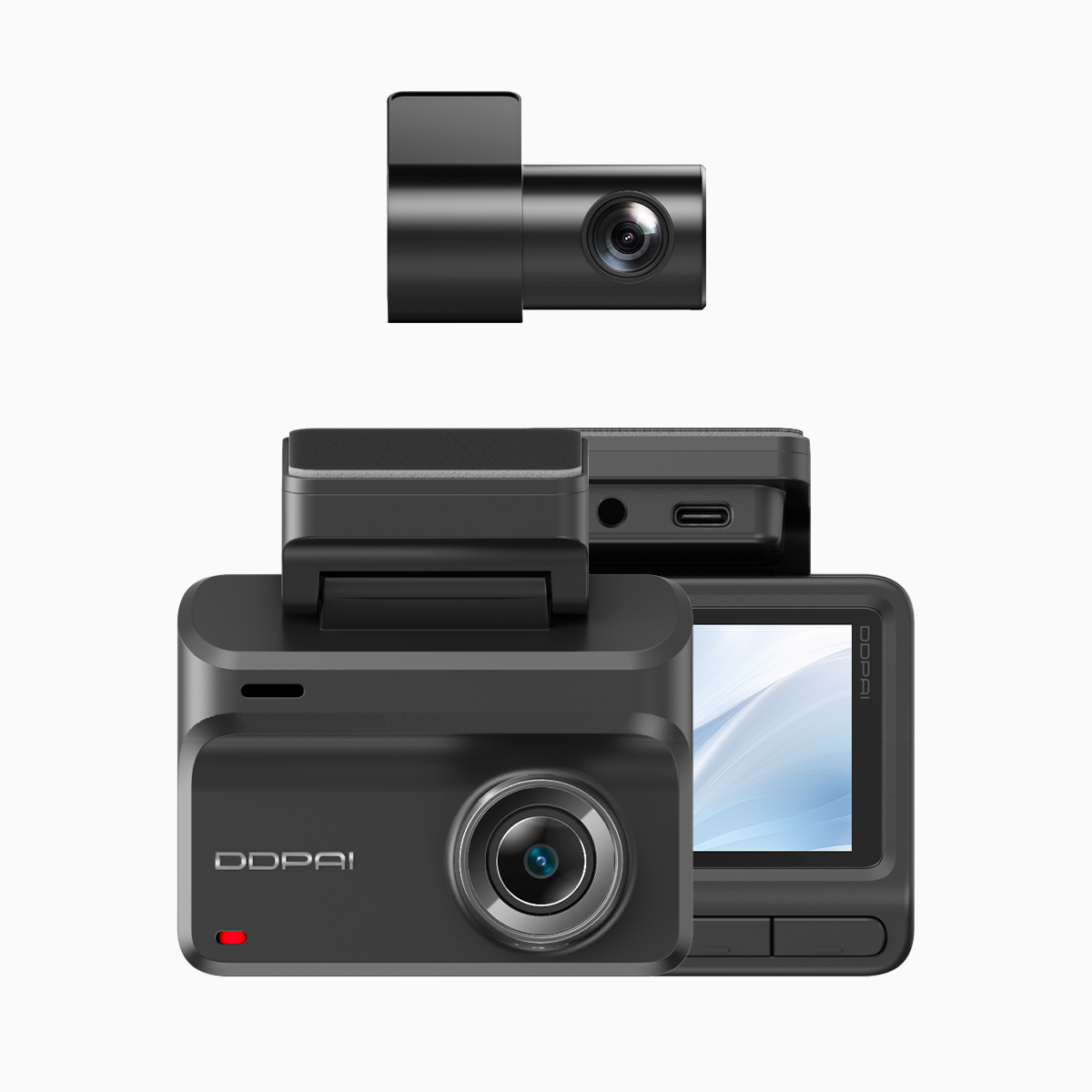
Alternatives and practical trade-offs
Single-lens units are inexpensive but expose blind spots. Dual-channel systems cover front and rear well for urban driving; three lenses add cabin visibility useful for rideshare drivers or family safety. Cloud-enabled models simplify evidence sharing but come with subscription costs and privacy trade-offs. For many private drivers, the right balance is a mid-tier 4K front camera, a compact rear module, and optional cabin coverage — unless passenger monitoring is essential. Consider battery drain, storage management, and installation complexity when comparing options.
How to evaluate options — three golden rules
Use these metrics to choose a system that fits your needs.1. Video quality and low-light performance — prioritize true 4K front capture and effective night-mode sensors. Clear stills at 1080p are often enough for plate reads, but high dynamic range and low-light handling matter at dawn/dusk.2. Connectivity and storage strategy — prefer Wi‑Fi pairing and reliable GPS logging for quick evidence transfer and timestamp accuracy. Cloud backup is convenient; local loop recording with regular card checks is a reliable fallback.3. Feature reliability and support — parking mode, impact detection, and firmware updates must work consistently. Check for accessible customer support and firmware release notes; long-term reliability trumps flashy, untested extras.
Summary and next steps
Integrating a 3‑lens dash cam upgrades both safety monitoring and legal defensibility by capturing multiple perspectives and precise location data. Start with clear installation, verify night and parking recording, and set up Wi‑Fi or cloud options that match your privacy tolerance and budget. For drivers in dense urban centers like Metro Manila, these practices reduce ambiguity after incidents and speed up insurance workflows.
Final advisory
Three simple checks will save time and disputes: confirm image clarity at night, enable GPS timestamps, and secure a secondary backup. The right system reduces uncertainty and serves as an impartial record — and for many private motorists, that’s the point. DDPAI Philippines offers practical, supportable models that align with these rules — reliable firmware, clear imaging, and integrated connectivity. —