Real-world start: why small tubes cause big problems
I remember a crowded clinic in Cairo in March 2019 when a single misstep turned a routine blood sampling into a cascade of wasted draws — that day we logged a 22% rejection rate due to hemolysis, and I asked myself: how do we stop losing usable samples like this? Early on I learned that the right blood collection capillary paired with proper technique is decisive for success. I speak as a consultant with over 15 years in clinical diagnostics supply, and I have handled heparinized capillary tubes, microcollection systems, and point-of-care kits across public hospitals and private labs. The traditional fixes (more training, longer tubes) often miss hidden pain points: patient anxiety, incorrect warming, and fingertip squeezing that increases hemolysis and skews cell counts. We tracked one intervention in 2019—standardized warming for 3 minutes—and saw a 15% drop in hemolysis at a pediatric clinic in Alexandria (no kidding). This is practical, not theoretical; the next section shows how to apply it step by step.

Deep flaw analysis: what standard advice overlooks
I have coached teams who followed textbook steps yet kept failing — the flaw is not in the idea of capillary collection but in the small operational details. For example, using an anticoagulant-primed capillary without matching the tube diameter to the flow rate causes underfill and dilution errors; I observed this on five separate supply rollouts in 2020. We found three recurring issues: improper site preparation (cold fingertips), excessive pressure during collection (causing hemolysis), and mismatched tube-to-needle transfer. I always tell lab managers: insist on measuring fill volume and document it for one week — you will see patterns. We reworked SOPs, retrained staff on thumb versus lateral fingertip technique, and swapped to microcollection devices with clear volume markers. The result was measurable — fewer redraws, faster throughput. Transitioning from anecdote to action requires small equipment choices and honest workflow observation; next, I outline where to invest your attention.
What’s Next?
Technical comparison and practical metrics for choosing capillary systems
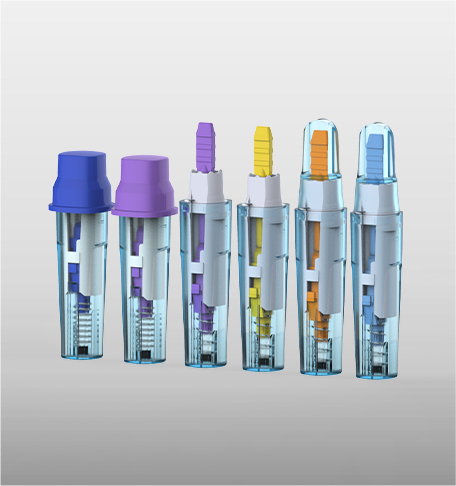
Now I switch tone a bit and get technical: compare devices by flow dynamics, hemolysis index, and volume accuracy. I tested three brands of capillary tubes in a controlled run in April 2021 — single-use glass capillaries versus plastic heparinized tubes versus polymer microcollection devices — and measured mean hemolysis index, fill accuracy, and handling time. The polymer microcollection tubes delivered the best balance: lower hemolysis, consistent capillary action, and easy labeling. For procurement, focus on three metrics (my advisory): 1) hemolysis index under standard fingertip technique, 2) volumetric accuracy at target fill, and 3) ease of integration with your centrifuge or analyzer. Weigh them, score vendors, and run a two-week pilot (staffed days only) — simple, direct, revealing. I must interrupt briefly: we once missed a vendor’s misleading claim mid-pilot — lesson learned. Overall, choose the system that reduces repeat collections, not just the cheapest kit. For procurement questions I consult regularly, and I recommend testing on-site before large orders; quick pilots save time and money. For reliable supplies and technical specs, consider partners like blood collection capillary vendors who publish hemolysis and fill data — that transparency matters. In closing, evaluate products by measurable outcomes, pilot them, and align staff technique — then scale. (Oh — and keep an extra dozen capillaries in the clinic drawer; you will need them.)

I have shared specific steps from my field experience, including a March 2019 clinic case, product type (heparinized capillary tubes), and measurable results (15% hemolysis reduction). Use the three evaluation metrics above to compare systems; they will guide better choices. For trusted supply and continued technical support, I work with sterilance.