



Introduction
I was on the shop floor last spring, watching a line choke on a stubborn web issue — and I swear to you, it felt like watchin’ a slow boil. As a wet wipes machine manufacturer, I see the same troublemakers: downtime, wasted material, and folks sweepin’ problems under the rug. Around 30% of small plants I know report more than four unplanned stops a month (that’s real money lost). So I started askin’ myself: how do we cut the hassle without splurgin’ on gear we don’t need?
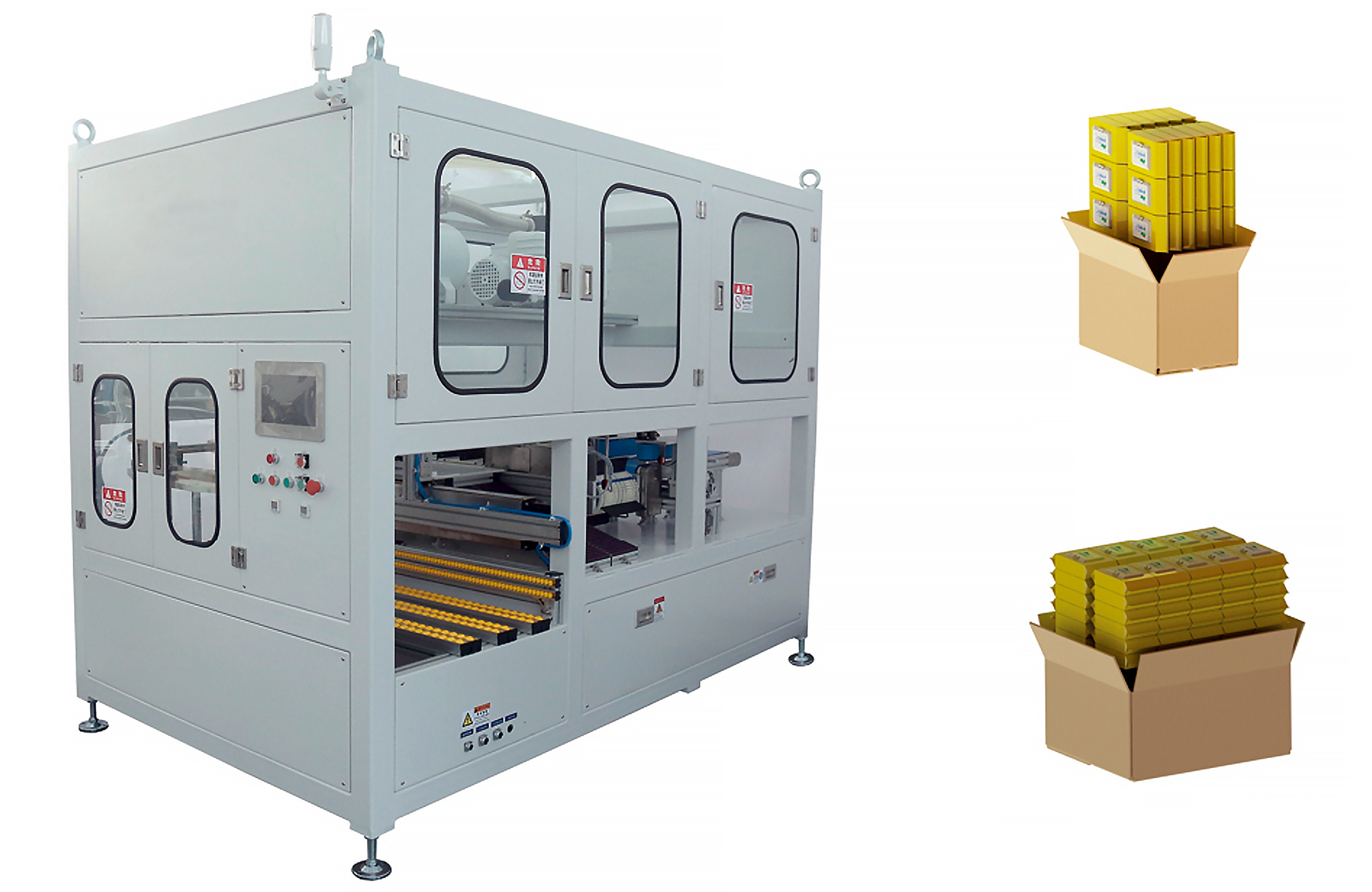
Now, listen — I ain’t here to sell fairy tales. I’ll walk through the scene, the numbers, and the questions you oughta be askin’. (And yes — we’ll talk servo motors and PLC issues later.) Stick with me — next up I’ll dig into why the usual fixes often miss the mark.
Why Traditional Lines Trip Up
wet wipes production often looks smooth on paper, but when I peel back the curtain I find recurring faults: bands of thin or soggy wipes, misaligned rotary die cuts, and control logic that fights the operators. These are not mysterious; they come from old assumptions — single-point fixes, over-tuned PID loops on the PLC, and jury-rigged web handling that ignores the whole material path. Look, it’s simpler than you think: fix the root, not the symptom. — funny how that works, right?
Why do these fixes fail?
Most shops lean on stopgap hacks. They patch an edge sensor, change tension briefly, or crank up motor torque. That gets you through a day, but it erodes yield over months. I’ve watched teams replace rollers and call it a week’s work, while the real issue sat in sequencing or power converters feeding inconsistent voltage. The result? More scrap, more rework, and crew morale that sinks. I’m convinced the problem ain’t the machine alone — it’s how we think about the line.
Next Steps: Practical Tech and Choices for Better Lines
So what’s next for wet wipes production? I lean on two things: clearer sensing and smarter control. That means better placement of edge detectors, modest upgrades to motion control, and tidying up the human-machine handoffs. You don’t always need a full retrofit; sometimes a targeted change to web handling, or swapping in a modern servo motor with simpler tuning, makes a big dent. I’ve seen small tweaks cut downtime by a third — real numbers. — and yes, it’s doable on a reasonable budget.
What should you look for?
Here’s what I recommend checking first: sensor coverage across the material width, consistency of the rotary die timing, and whether your control panel gives clear feedback to the operator. If those are messy, you’ll keep fighting the same fires. I don’t pretend every plant is the same, but these checks are low-cost and high-impact.
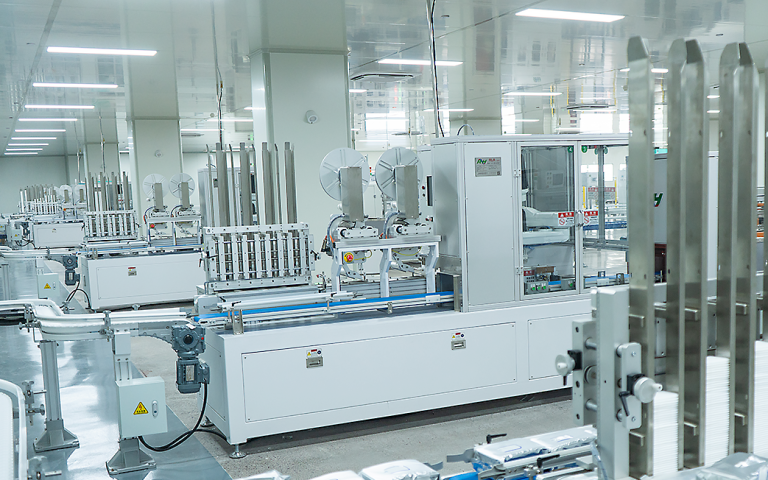
Closing: How I’d Evaluate a Solution
I’ll wrap up with three plain metrics I use when pickin’ a path forward — and I suggest you use ’em too. First, uptime improvement: can this change cut stops by a measurable percent? Second, yield lift: does it reduce scrap on a per-roll basis? Third, operator clarity: will the crew actually understand and use the change? Those three tell me if a fix is worth the trouble. If a vendor can’t show numbers for those, I’m skeptical.
We’ve covered the scene, the usual failings, and the pragmatic fixes I believe in. I’m speakin’ from hands-on days and late-night troubleshooting — not just theory. If you want to test a concrete improvement, start small, measure everything, and scale what works. I’d vouch for that approach any day.
For practical tools and partner options, check ZLINK.
