



Introduction — a short scene, some numbers, one question
I was watching a shop floor last week — old lathe, tired operator, coffee mug beside the control panel. The machine missed a cycle, the team sighed. For CNC equipment manufacturers, these small failures add up fast. Industry reports say downtime costs small shops as much as 5% of annual revenue (and for larger shops, that number climbs). So: how do we stop losing minutes and margins to machines that were built to be unmovable? Voila — that is the question that follows us into design meetings, into procurement, into the heart of the factory. We need a clear path forward. Next, I’ll dig into why traditional fixes fail and what really bugs users on the floor — then we look at practical pivots.

Part 2 — Where classic designs break down (technical breakdown)
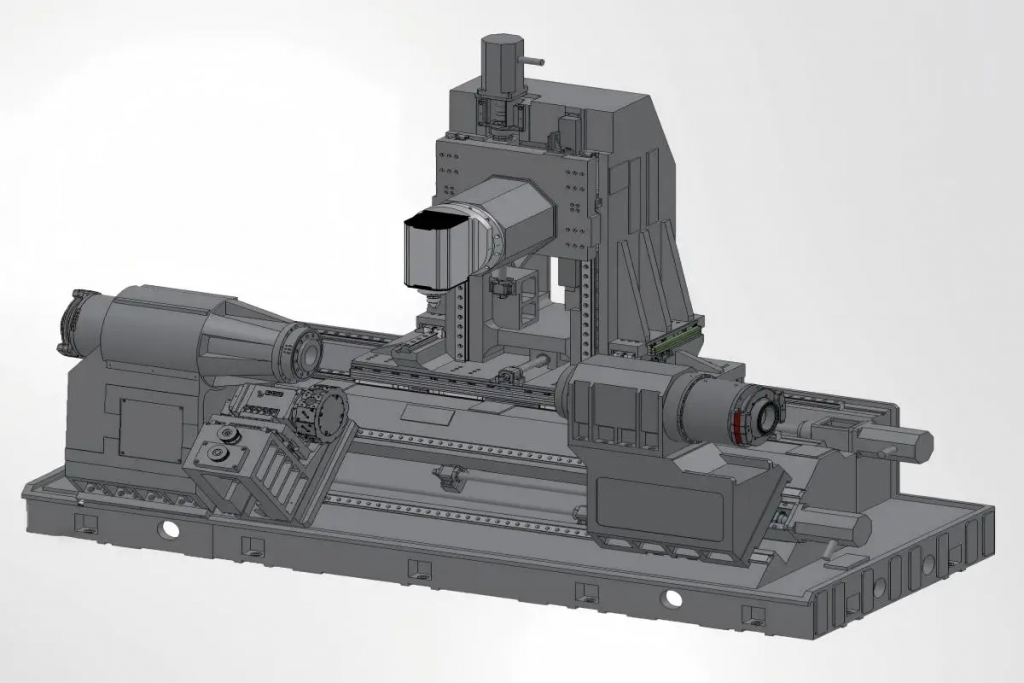
Let’s be direct: traditional machine architecture often assumes a fixed workload and fixed expectations. I’ll define the problem. In many shops, the cnc machining equipment sits with a rigid bed, a heavy spindle, and a controller set for a narrow set of tasks. When materials change, when cycle times shorten, when toolpaths become complex, the old assumptions fail. The CNC controller becomes a bottleneck. Servo motors overheat. Toolpath optimization is impossible without modern feedback. Those are engineering words, yes — but they translate into one human pain: lost time. Look, it’s simpler than you think — maintenance teams reset parameters, operators add workarounds, and managers accept lower throughput. — funny how that works, right?
Why do these flaws keep recurring?
Because legacy designs focus on stiffness and throughput at a single point in time, not adaptability. Power converters sized for a fixed peak; encoders chosen years ago; limited edge computing nodes to handle real-time adjustments — all these choices save money upfront but cost flexibility later. I’ve seen shops add external sensors and patch the software, yet the plant still lacks graceful scaling. The result: frequent rebuilds, long calibration sessions, and a quiet acceptance of suboptimal cycles. That hidden cost is real. I feel it when I visit customers and see their paper notebooks full of compensations they’ve invented. It’s inefficient and — frankly — demoralizing for the crew.
Part 3 — Looking forward: case outlook and practical metrics
What’s next for producers of cnc manufacturing equipment? I prefer to frame it as a practical forecast rather than vaporous hype. Machines that couple modular mechanical platforms with modern control layers will win. Imagine a machine where a spindle module, a standardized controller board, and a replaceable sensor suite let you swap capabilities in hours, not months. Add predictive maintenance through edge computing nodes and you cut unexpected stoppages. I’ve visited a medium-sized shop that retrofitted a controller and saw a 12% uptick in usable uptime within three months — small change, big margin. — and yes, that matters.
Real-world impact — what to measure
Now, if you are choosing or designing a system, here are three metrics I rely on every time: 1) Mean Time To Recover (MTTR) after fault — how fast can you restart production? 2) Adaptation Range — how many material or tool changes can the machine accept without hardware swaps? 3) Data Fidelity for control loops — is the encoder and sensor data precise enough for closed-loop corrections? These are simple. They’re also revealing. When I advise teams, I push them to test these metrics under real schedules, not just on a lab bench. That separates flashy claims from genuine value.
To wrap: adaptive design beats rigid design because it treats the shop as a living system. We can measure results, iterate faster, and keep people focused on productive work instead of firefighting. I’ve seen proof on the floor, and I bet you will too. For those building or buying, make these metrics your checklist — and if you want an example of a brand pursuing this path, check Leichman.
